

The Great Wildebeest Migration in the Serengeti is one of Earth’s most awe-inspiring wildlife spectacles. It’s a year-round journey, and each month brings its own unique experiences as millions of wildebeests, zebras, and other animals move in search of food and water. Let’s explore this remarkable phenomenon month by month and where you can witness it:
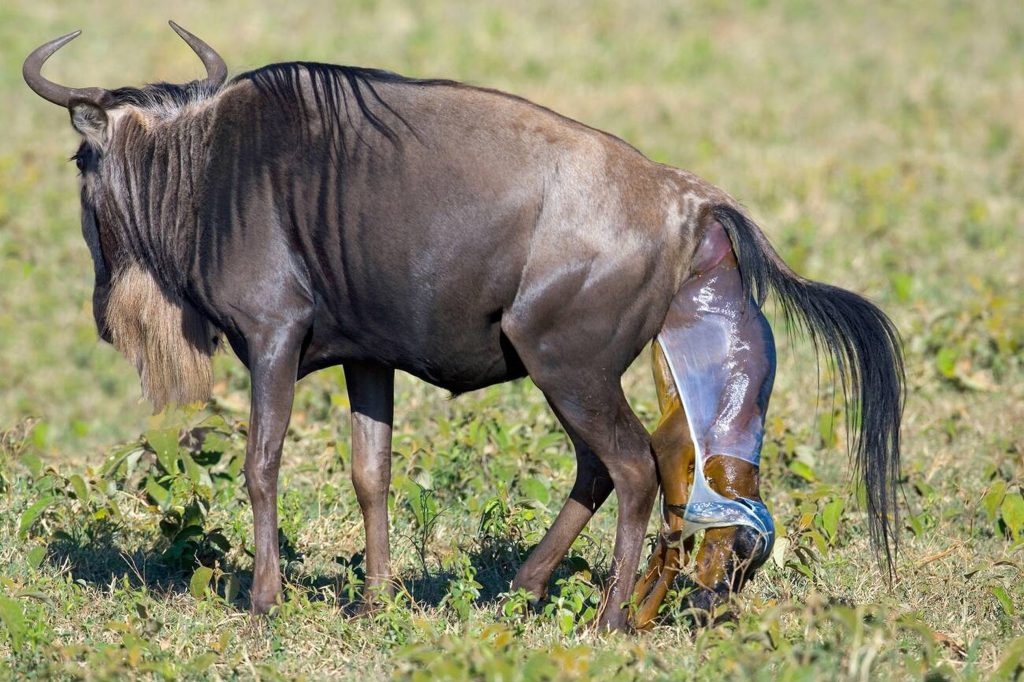
January – March: The Calving Season in Ndutu.
At the start of the year, the Wildebeest Migration gathers in Ndutu and the Southern Serengeti for the calving season, where around 8,000 calves are born daily—totaling over half a million in just 2–3 weeks. The nutrient-rich grasses provide essential nourishment for mothers, while the soft plains create the perfect setting for newborns to take their first steps. Within minutes of birth, calves are on their feet, instinctively ready to evade predators like lions, cheetahs, and hyenas. Witnessing these tiny wildebeests wobble through their first moments of life is both tender and unforgettable.
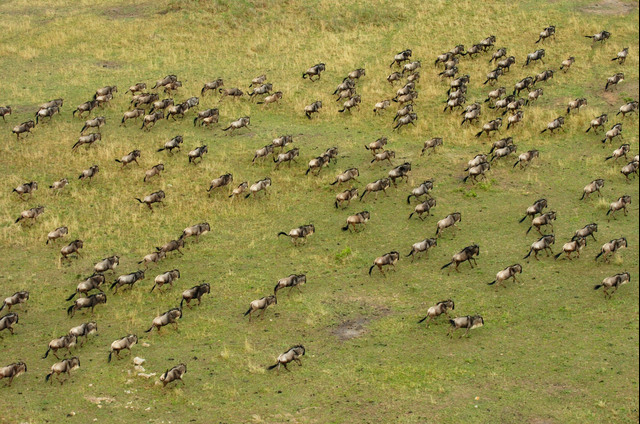
April – May: Heading North Through the Central Serengeti.
As the rains begin to fade, the Wildebeest Migration comes into focus, with vast herds beginning their epic northward journey. By April, the movement continues through the central Serengeti National Park, where wildebeest cross rivers like the Seronera and spread across the expansive, refreshed green plains. These months are alive with motion and energy, offering photographers and safari-goers exceptional opportunities to witness dramatic river crossings and the raw, dynamic rhythm of life that defines the Wildebeest Migration.
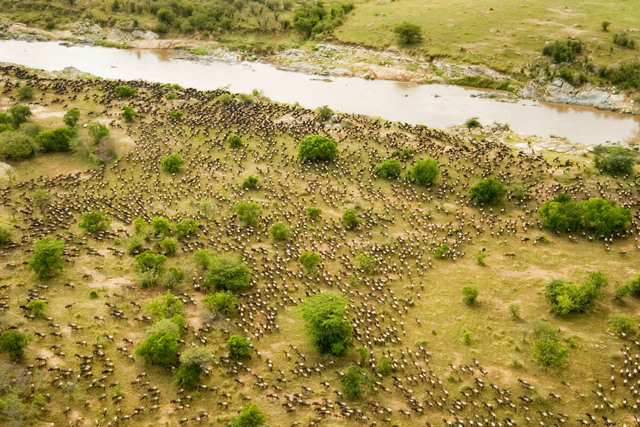
June – July: Western Serengeti & Grumeti River Crossings.
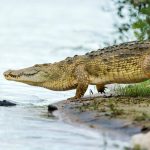
By June and July, the herds reach the western corridor of the Serengeti as part of the Wildebeest Migration, moving toward the Grumeti River, where enormous crocodiles lie in wait. These dramatic river crossings are intense and thrilling, attracting safari enthusiasts eager to witness thousands of wildebeest and zebras navigate this perilous journey. The Wildebeest Migration during this period is defined by powerful predator encounters, high-energy movement, and striking dry-season landscapes, making it one of the most spectacular moments of this natural phenomenon.
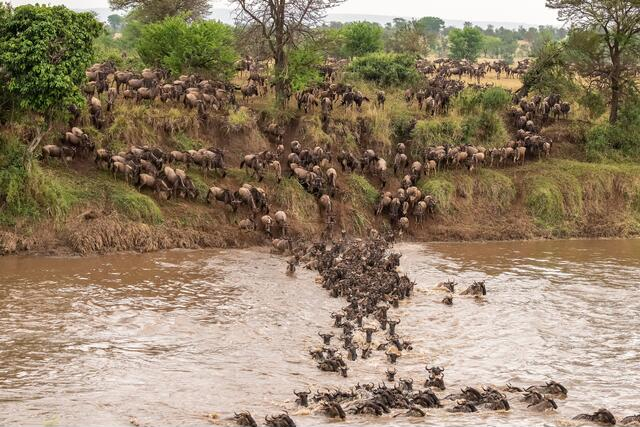
August: Mara River Crossings in the Northern Serengeti.
By August, the herds of the Wildebeest Migration reach the northern Serengeti, preparing for the iconic Mara River crossings into Kenya’s Maasai Mara. Here, crocodiles snap at wildebeests and zebras as they plunge into the river, creating dramatic scenes of struggle and triumph that captivate safari-goers and wildlife photographers alike. This breathtaking phase of the Wildebeest Migration showcases courage, survival instincts, and the raw power that defines one of nature’s greatest spectacles.
September: Grazing in the Maasai Mara.
By September, the herds of the Wildebeest Migration have largely crossed into Maasai Mara, spreading across the plains in search of fresh grazing. The dramatic river crossings of the Wildebeest Migration may still occur, but the focus gradually shifts to feeding and regrouping after the long journey. This period offers incredible opportunities to witness intense predator-prey interactions, with lions, cheetahs, and hyenas closely following the herds, and to experience the vast, golden landscapes of the northern migration grounds.
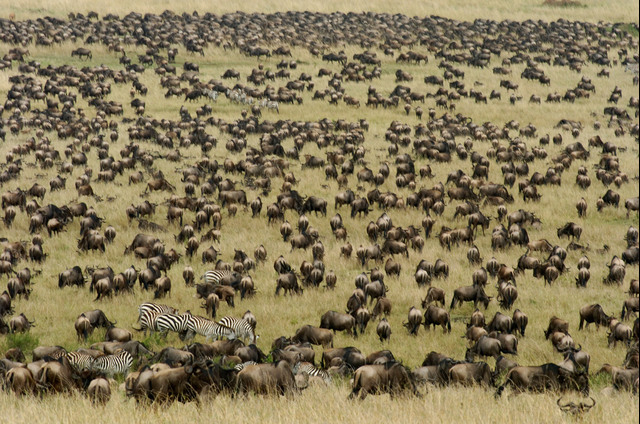
October – November: Returning South.
By October and November, the herds begin their southward journey back toward the central and southern Serengeti as the short rains arrive. The plains are lush and green, offering abundant grazing for wildebeest and zebras. Predator activity remains high, providing exciting wildlife encounters for safari-goers. This stage of the migration is calmer than the dramatic river crossings but offers incredible opportunities to witness the herds spread across the revitalized landscapes of the Serengeti.
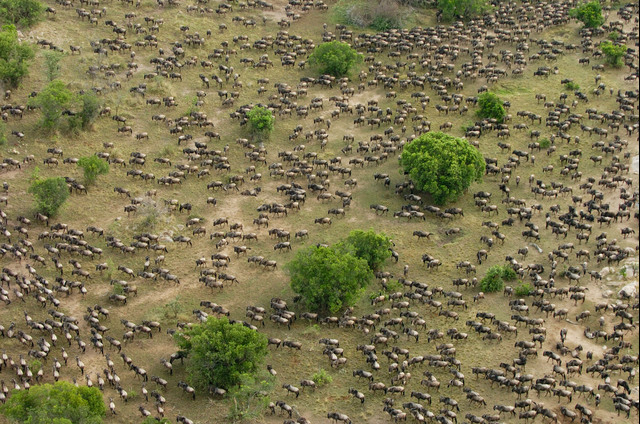
December.
As the year comes to a close, the herds return to the southern plains of the Serengeti, where the cycle begins anew. The lush grazing lands are once again the center of attention as the wildebeests and zebras prepare for another birthing season.
In conclusion, to witness the Great Wildebeest Migration, you can explore various regions of the Serengeti and Maasai Mara throughout the year. Depending on the specific phase of the migration, you can choose between the southern plains, central Serengeti, western corridor, northern Serengeti, or the Maasai Mara in Kenya. Each location offers a unique perspective on this remarkable natural phenomenon, making it a once-in-a-lifetime experience for wildlife enthusiasts and photographers alike.
Are you excited to plan the safari of your dreams to see the Wildebeest migration? Go ahead we are ready to help













![How Did Mount Kilimanjaro Get Its Name? The Fascinating Meaning & History Explained [Expert Guide]](https://www.mateyswildtours.com/wp-content/uploads/2025/06/How-Did-Mount-Kilimanjaro-Get-Its-Name-Meaning-History-Explained-2025-Guide-150x150.jpeg)