
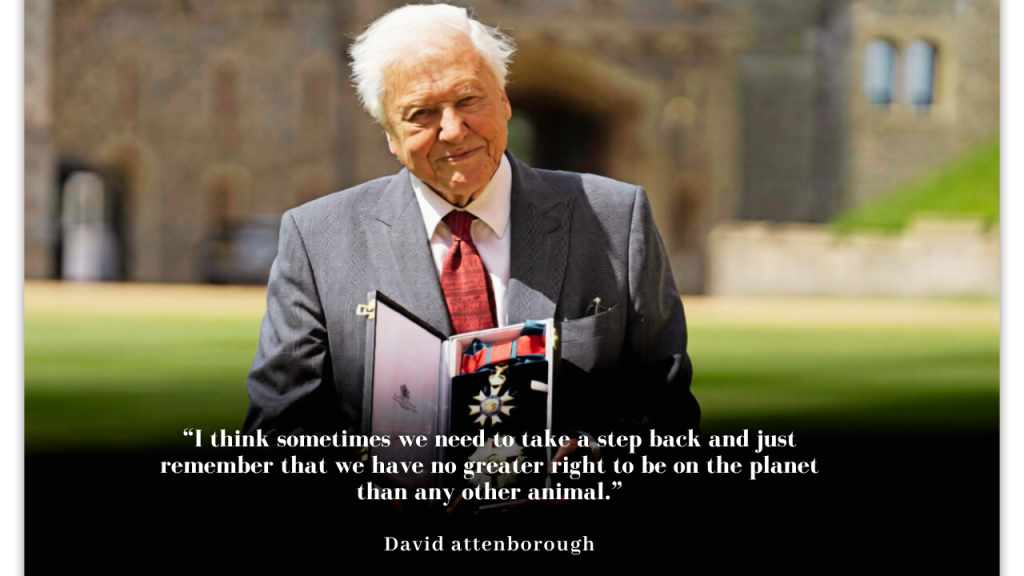
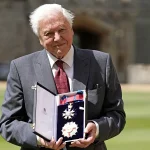
Today marks a historic global milestone—the 100th birthday of Sir David Attenborough, born on 8 May 1926 in London, United Kingdom. Few individuals have shaped humanity’s understanding of the natural world as profoundly as he has. For over a century, Sir David Attenborough has inspired millions to see Earth not just as a place to live, but as a living system that must be protected.
For more than seven decades, Sir David Attenborough has been the voice and face of nature storytelling, bringing the wonders of wildlife into homes across the world. Through iconic productions such as Planet Earth, Blue Planet, and Life on Earth, he has transformed wildlife documentaries into powerful tools of education, emotion, and conservation awareness. His calm narration and deep respect for nature have made him one of the most trusted voices in environmental storytelling.
How His Journey Began and What Inspired Him.
Sir David Attenborough began his career in broadcasting in the early 1950s when he joined the BBC as a trainee producer. At that time, television was still developing, and wildlife filmmaking was not yet a defined field. His early work involved producing educational programs, but his curiosity for nature and storytelling quickly set him apart.
His deep inspiration came from childhood experiences exploring nature in Leicester and collecting fossils and stones. He was also strongly influenced by the natural history collections he encountered at museums, especially the British Museum, where he developed a fascination with evolution, biodiversity, and the complexity of life on Earth.
Later, a key turning point came when he was allowed to travel and film wildlife in different parts of the world. This experience shaped his lifelong mission: to bring the natural world closer to humanity through visual storytelling.
A Legacy That Changed How the World Sees Nature.
Through decades of work, Sir David Attenborough has redefined how people understand wildlife. Before his documentaries, nature films were mostly observational and scientific. He transformed them into immersive journeys that connect emotion, science, and storytelling.
His work has inspired generations of conservationists, filmmakers, scientists, and travelers who now view wildlife not just as scenery, but as a vital part of Earth’s survival system.
A Voice for Conservation in a Changing World.
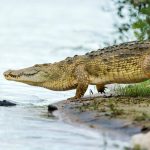
Beyond storytelling, Sir David has become one of the strongest global advocates for environmental protection. He has consistently raised awareness about climate change, deforestation, plastic pollution, and species extinction.
His message remains clear and urgent: humanity must act now to protect the natural world that sustains all life.
Inspiration for Responsible Travel and Safari Tourism.
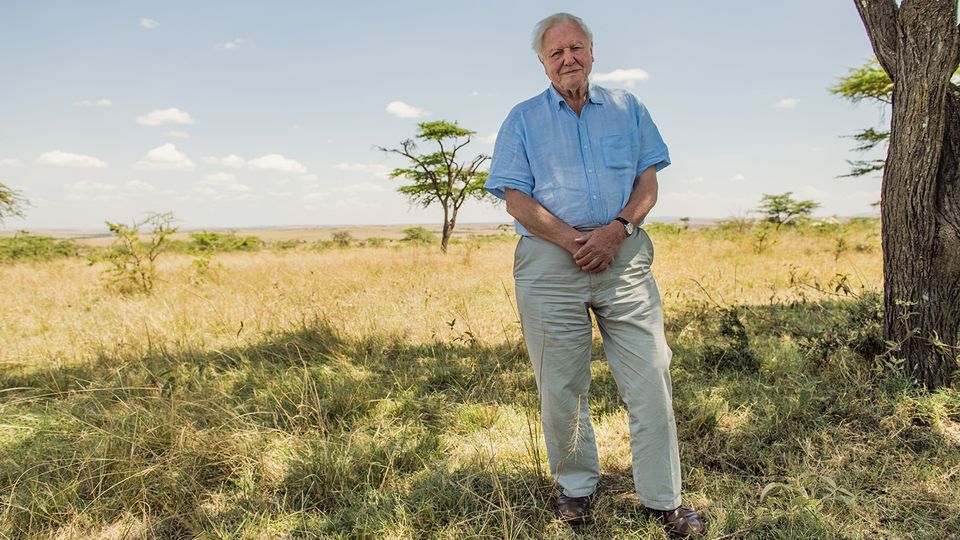
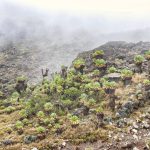
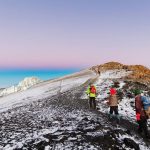
His influence is deeply connected to wildlife destinations around the world, especially in Africa. The landscapes and ecosystems of Tanzania—such as Serengeti, Ngorongoro, Tarangire, and Kilimanjaro—reflect the very environments he has spent his life documenting.
Today, safari tourism carries a deeper responsibility: not only to explore nature, but to preserve it for future generations.
100 Years of Purpose and Impact.
Reaching 100 years is more than a celebration of age—it is a celebration of purpose, consistency, and global impact. Sir David Attenborough’s life proves that curiosity and passion can shape how the entire world understands nature.
His legacy continues to influence how people see the planet, reminding us that storytelling can be one of the most powerful forces for change.
A Message for the Future.
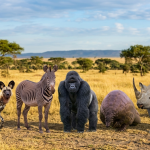
Inspired by the lifelong legacy of Sir David Attenborough, we in East Africa are reminded of the urgent need to protect our most vulnerable species. From this inspiration, we reflect on the idea of the “Conservation Five”—the African wild dog, black rhinoceros, mountain gorilla, Grevy’s zebra, and pangolin—species that represent the beauty, strength, and fragility of our natural heritage. Their survival depends on awareness, protection, and responsible tourism.
In East Africa, we believe every journey into the wild is more than just travel—it is a responsibility. To all travelers: choose responsible safaris, support conservation efforts, and help protect the landscapes and wildlife that continue to define our region and inspire the world. Start here.

















![How Did Mount Kilimanjaro Get Its Name? The Fascinating Meaning & History Explained [Expert Guide]](https://www.mateyswildtours.com/wp-content/uploads/2025/06/How-Did-Mount-Kilimanjaro-Get-Its-Name-Meaning-History-Explained-2025-Guide-150x150.jpeg)