

Kilimanjaro Snacks Guide – Proper nutrition and snacks are critical for a successful Kilimanjaro climb. This guide covers everything you need to know about fueling your body, choosing the right snacks, and maintaining energy throughout your trek. While we provide three warm, balanced meals daily, having your own snacks can make your climb more comfortable, enjoyable, and effective.
Our meals are carefully planned with protein, carbohydrates, and fats, with an emphasis on carbohydrates to help you manage the high altitude. In addition to meals, we provide afternoon snacks like peanuts, popcorn, cookies, and chips. While bringing personal snacks is optional, many climbers find it helpful to supplement the provided meals with snacks that suit their tastes or dietary needs. Our experienced porters are ready to assist with carrying or organizing your personal snacks.
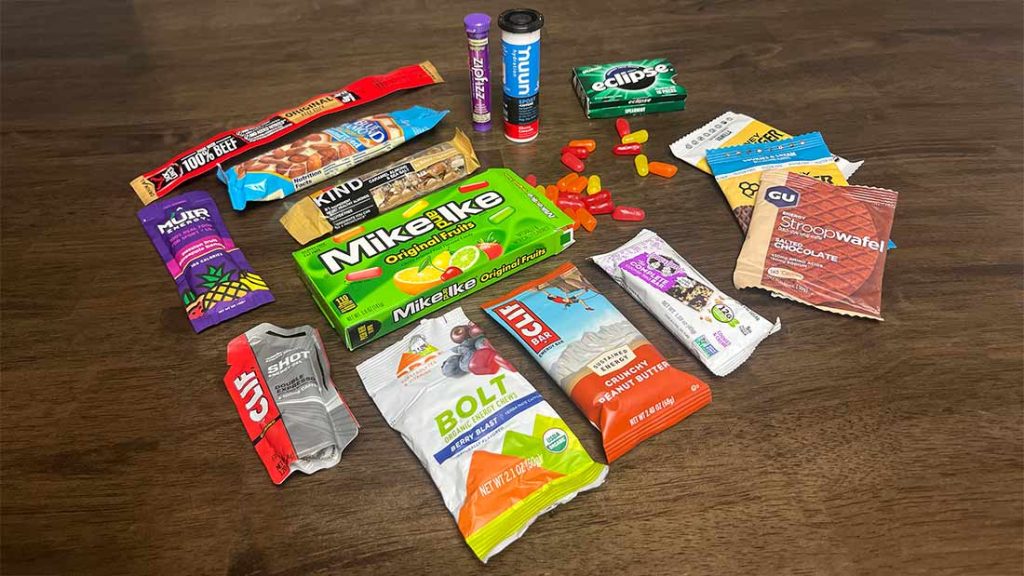
Guidelines from Our Kilimanjaro Snacks Guide.
If you plan to bring your own snacks, following these tips ensures convenience, safety, and minimal impact on the environment:
- Compact & Mess-Free: Select snacks that are easy to carry and tidy, such as trail mix, granola bars, or dried fruit. Avoid bulky or crumbly items.
- Durable & Non-Perishable: Choose snacks that won’t spoil easily and store them in sturdy containers to prevent leaks or breakage.
- Lightweight Options: Keep your backpack manageable by opting for lighter snacks, essential when hiking or climbing long distances.
- Eco-Friendly: Avoid cans or unnecessary packaging to minimize waste on the mountain.
- Moderate Stimulants: Enjoy caffeinated snacks in moderation to avoid disrupting sleep.
- No Alcohol: Alcohol is prohibited in the park, so leave it at home.
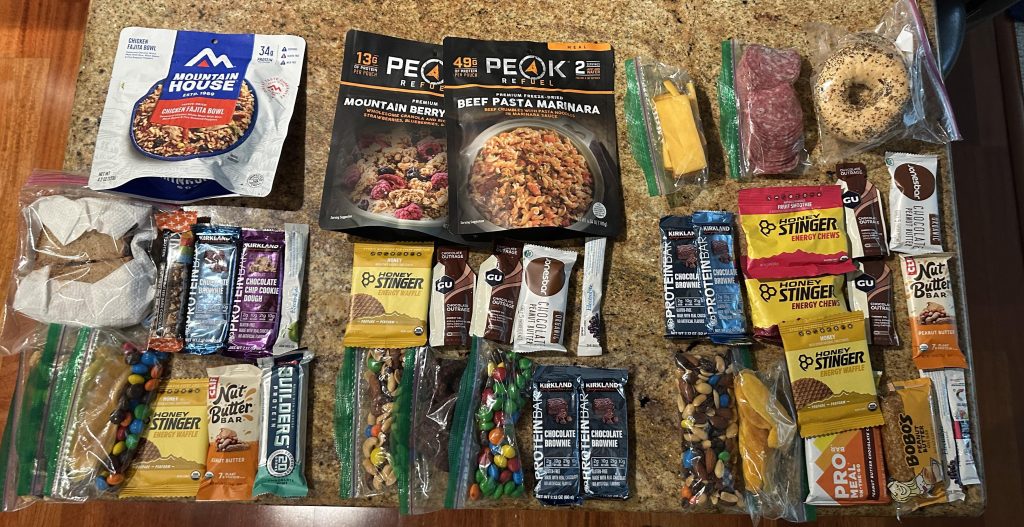
Following these professional recommendations from this Kilimanjaro Snacks Guide ensures you enjoy your snacks responsibly while respecting the park environment and fellow trekkers.
Meal Replacements.
Meal replacements like protein bars, energy bars, granola bars, or powders are a key part of any Kilimanjaro Snacks Guide. They provide essential nutrients when you skip a meal due to fatigue, altitude sickness, or taste preference. Having a few meal replacements ensures you stay fueled and energized throughout your trek, even when hot meals aren’t appealing.
Salty Snacks.
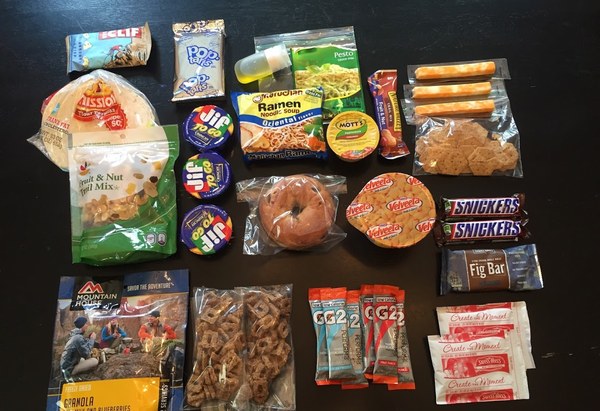
Sweat and altitude increase your need for sodium and electrolytes. This Kilimanjaro Snacks Guide recommends bringing salty snacks like trail mix, nuts, pretzels, jerky, or packaged crisps. These helps satisfy cravings, replenish lost minerals, and prevent muscle cramping during long hikes.
Sweet Snacks.
Sweet snacks are an excellent morale booster during your climb. Treats like chocolate, hard candy, or dried fruit provide a quick energy boost and improve mood, thanks to the endorphin release triggered by sugar. Following this Kilimanjaro Snacks Guide, having small sweet snacks in your daily ration can make long days on the trail more enjoyable.

- Energy Snacks.
For quick bursts of energy, energy snacks like sports gels, energy chews (GU, Sport Beans, or Cliff Bloks), and other fast-digesting options are essential. This Kilimanjaro Snacks Guide emphasizes low-fat, low-fiber, and low-protein snacks that are easy to digest and perfect for a mid-hike boost.
- Electrolytes.
Proper hydration and electrolyte balance are critical for altitude trekking. Products like Gatorade powder, Nuun tablets, or GU Hydration tablets help replenish potassium, sodium, magnesium, and calcium. According to this Kilimanjaro Snacks Guide, consuming a serving in the evening can support recovery and maintain performance for the next day’s climb.
Recommendations.
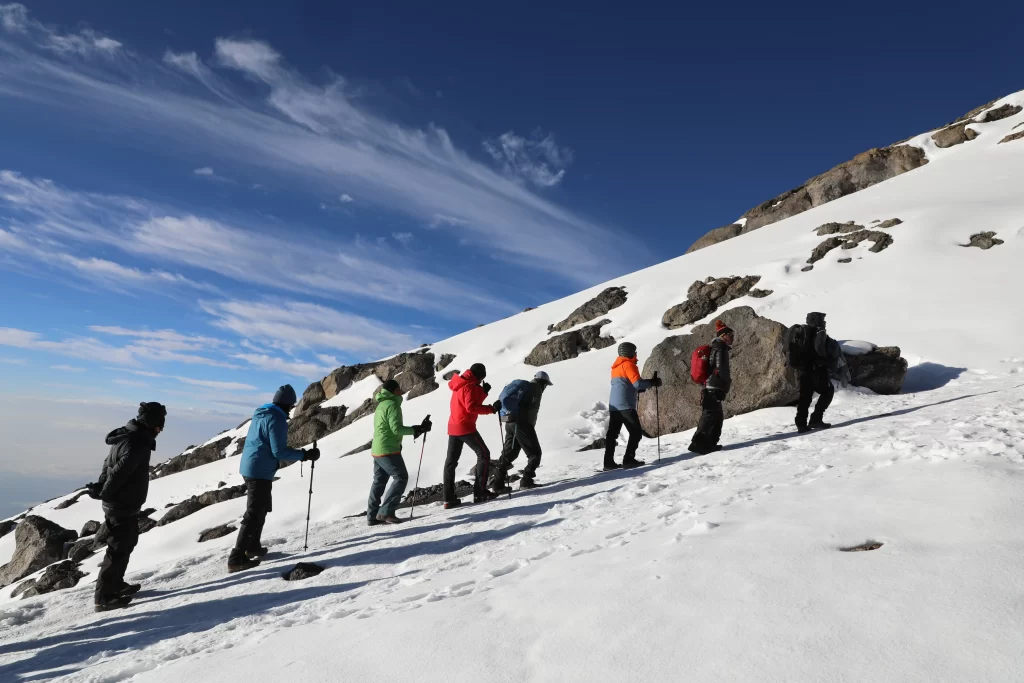
Snacks are optional, but smart choices make a big difference. This Kilimanjaro Snacks Guide suggests:
- Limit meal replacements, salty snacks, and sweet snacks to 1–1.5 servings per day.
- Avoid overpacking—bringing three or more types daily can create excess weight and leftover food.
- Focus on quality and convenience rather than quantity to ensure you enjoy your snacks without waste.
By following this Kilimanjaro Snacks Guide, you’ll stay energized, hydrated, and prepared for a safe, enjoyable climb, all while respecting the mountain environment.















![How Did Mount Kilimanjaro Get Its Name? The Fascinating Meaning & History Explained [Expert Guide]](https://www.mateyswildtours.com/wp-content/uploads/2025/06/How-Did-Mount-Kilimanjaro-Get-Its-Name-Meaning-History-Explained-2025-Guide-150x150.jpeg)