
Conservation Five represents a powerful shift in how we experience safari in Africa—moving beyond sightings to purpose. While the Big Five celebrate strength and the Little Five highlight curiosity, the Conservation Five focus on something far more urgent: survival.
The Conservation Five is not an official wildlife classification, but a modern concept used in responsible tourism to spotlight species that face serious threats and depend heavily on conservation efforts. These animals are not just beautiful—they are vulnerable, and their future is closely tied to the choices we make as travelers, conservationists, and global citizens.
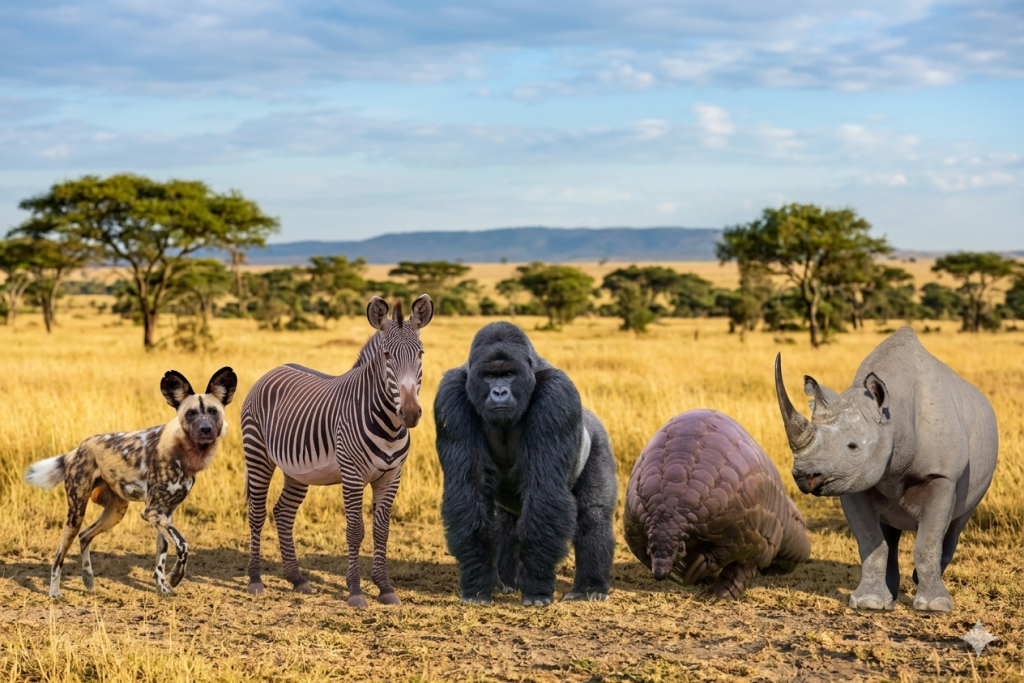
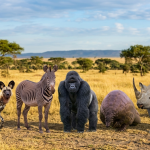
The Conservation Five includes the black rhinoceros, African wild dog, mountain gorilla, Grevy’s zebra, and pangolin—each representing a unique conservation story across Africa.
What Is the Conservation Five?
The Conservation Five is designed to raise awareness about endangered and vulnerable species while encouraging sustainable travel.
These animals are selected because they:
- Face significant threats such as poaching, habitat loss, or illegal wildlife trade
- Play important roles in their ecosystems
- Represent conservation success stories, or urgent conservation needs
Unlike traditional safari lists, the Conservation Five invites’ travelers to engage more deeply and travel more responsibly.
Black Rhinoceros
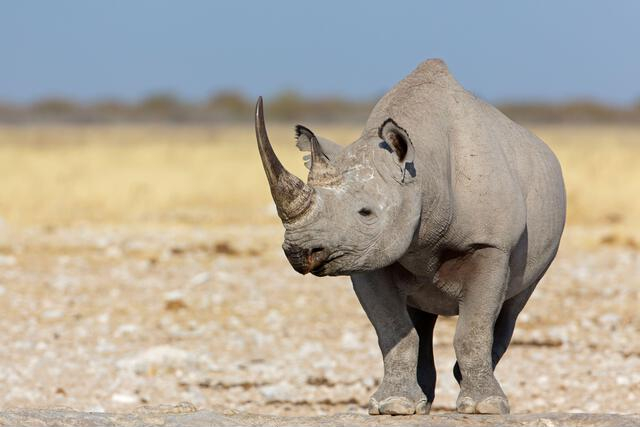
The Black Rhinoceros is one of Africa’s most iconic endangered species.
Once widespread, black rhino populations were devastated by poaching driven by demand for their horns. Intensive conservation efforts—including anti-poaching patrols and protected areas—have helped stabilize some populations, but the species remains critically endangered.
Seeing a black rhino in the wild is not just a privilege—it’s a reminder of what conservation can achieve.
African Wild Dog.
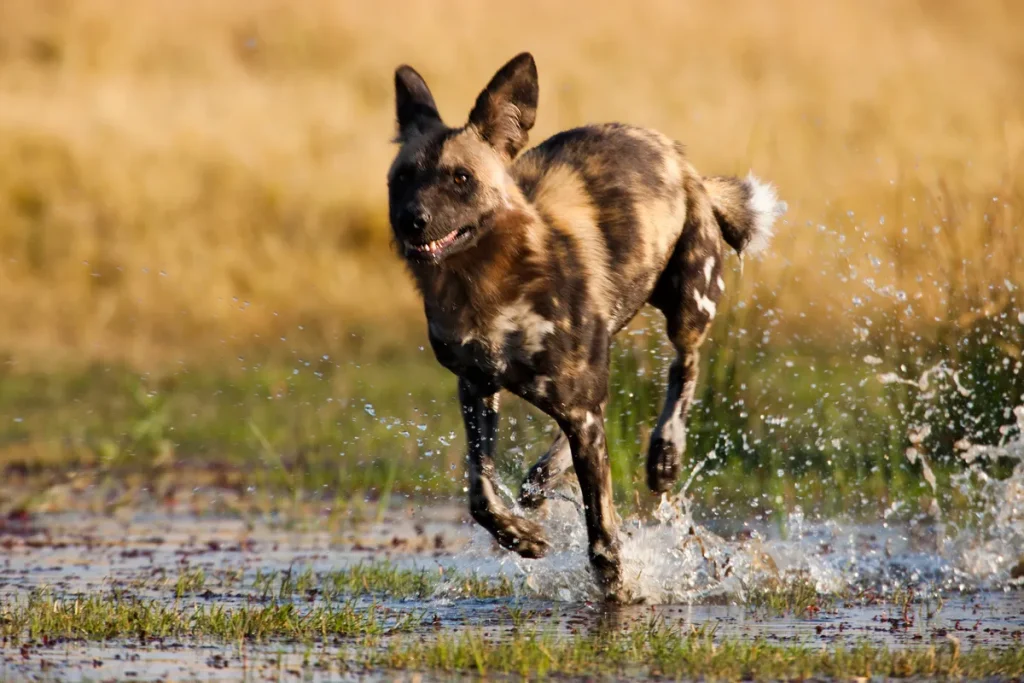
The African Wild Dog is one of Africa’s most efficient predators—and one of its most endangered.
Known for their strong social bonds and teamwork, these animals live in tightly coordinated packs. However, habitat fragmentation, human-wildlife conflict, and disease have drastically reduced their numbers.
Protecting wild dogs requires large, connected landscapes—making conservation efforts complex but essential.
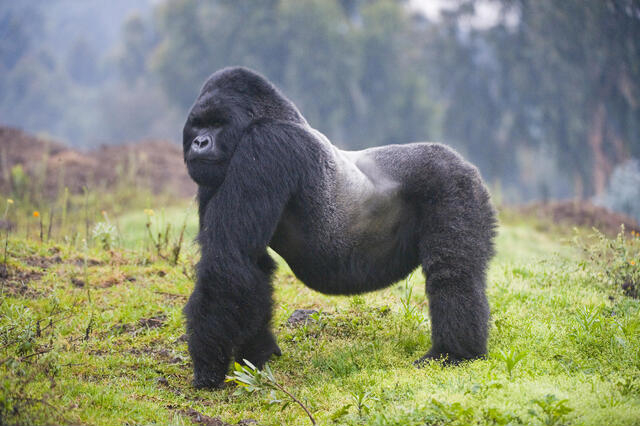
Mountain Gorilla.
The Mountain Gorilla is one of the most inspiring conservation success stories in Africa.
Found in the mountainous forests of East and Central Africa, mountain gorillas were once on the brink of extinction. Today, thanks to strict protection, regulated tourism, and community involvement, their numbers are slowly increasing.
Gorilla trekking permits directly support conservation, making this one of the best examples of tourism protecting wildlife.
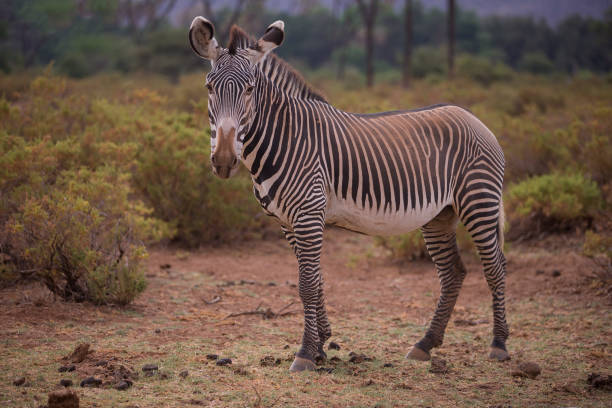
Grevy’s Zebra.
The Grevy’s Zebra is the largest and most endangered zebra species.
Unlike the more common plains zebra, Grevy’s zebra has narrow stripes, a white belly, and a more mule-like appearance. Its population has declined significantly due to habitat loss and competition with livestock.
It is primarily found in northern Kenya and parts of Ethiopia, making sightings rare and special.
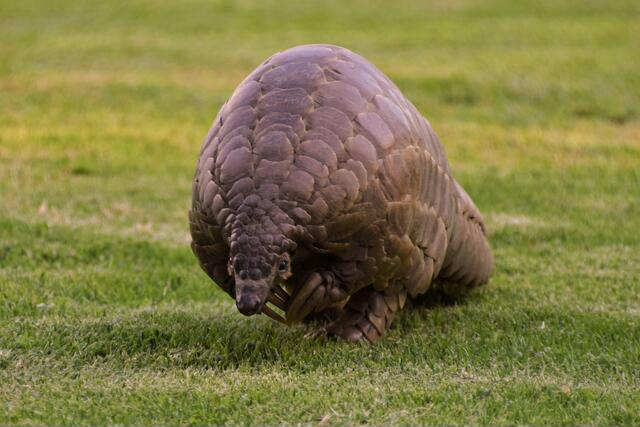
Pangolin.
The Pangolin is often called the most trafficked mammal in the world.
Covered in protective scales, pangolins roll into a tight ball when threatened. Unfortunately, this defense makes them easy targets for poachers.
They are hunted for their scales and meat, despite international protection laws. All African pangolin species are under serious threat.
Spotting a pangolin in the wild is extremely rare—and a true conservation highlight.
Why the Conservation Five Matters.
The Conservation Five shifts the safari narrative from “what can I see?” to “what can I help protect?”
These species highlight key conservation challenges:
- Poaching and illegal wildlife trade (rhinos, pangolins)
- Habitat loss and fragmentation (wild dogs, Grevy’s zebra)
- Human-wildlife conflict (many species)
- Conservation success through tourism (mountain gorillas)
By focusing on the Conservation Five, travelers become part of a larger story—one that supports protection, awareness, and sustainability.
The Conservation Five are distributed across different regions of Africa, with each species adapted to specific ecosystems. While mountain gorillas are found only in Rwanda, Uganda, and the Democratic Republic of Congo, and Grevy’s zebra mainly in northern Kenya, Tanzania offers important habitats for species such as black rhinos in the Ngorongoro Conservation Area and Mkomazi National Park, as well as African wild dogs in Ruaha National Park and Nyerere National Park. The protection of these species has been greatly advanced through pioneering conservation efforts led by Frankfurt Zoological Society in collaboration with national authorities and local communities.




















![How Did Mount Kilimanjaro Get Its Name? The Fascinating Meaning & History Explained [Expert Guide]](https://www.mateyswildtours.com/wp-content/uploads/2025/06/How-Did-Mount-Kilimanjaro-Get-Its-Name-Meaning-History-Explained-2025-Guide-150x150.jpeg)