
Travel Safety in Tanzania is essential for any visitor looking to explore the country’s breathtaking landscapes, vibrant cultures, and extraordinary wildlife. Africa, and East Africa in particular, offers unforgettable experiences, from wildlife safaris to cultural encounters and mountain climbs. Like any destination, however, it is important to be aware of certain risks so you can prepare and enjoy your trip with peace of mind. This overview focuses on East Africa, with special attention to Tanzania—one of the region’s safest and most welcoming countries.
Security in Tanzania.
Tanzania stands out for its political stability and social harmony. Unlike some neighboring countries, it has enjoyed decades of peace, making it a preferred destination for travelers seeking both adventure and travel safety in Tanzania. The government prioritizes security and tourism, with dedicated tourism police units and strong support in popular travel areas.
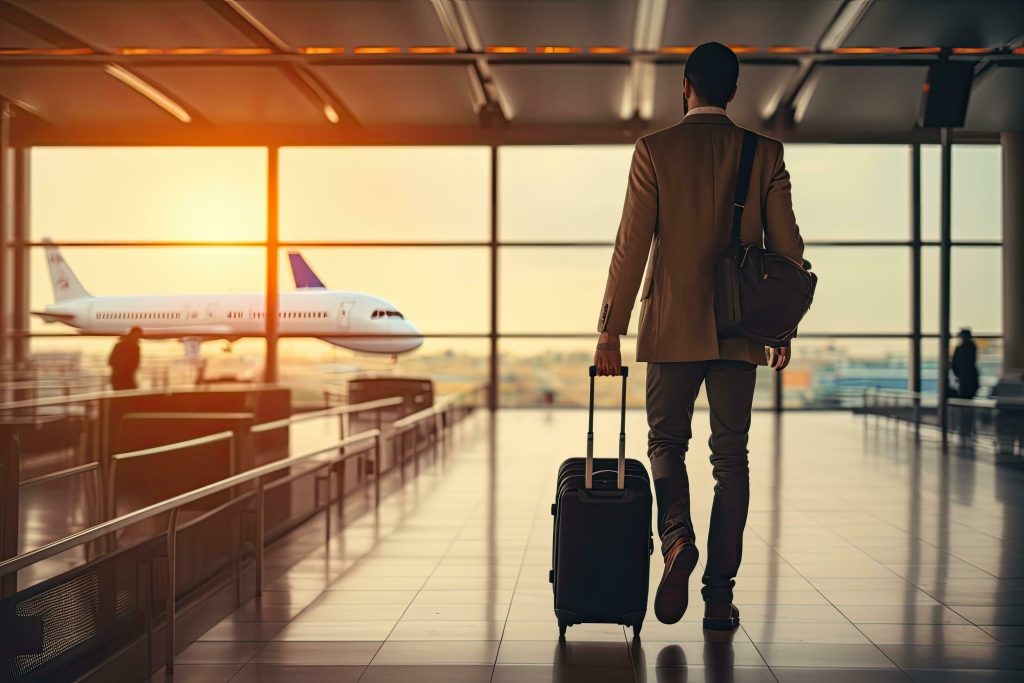
Traveler Tips.
- Avoid isolated areas after dark.
- Keep valuables secure and discreet.
- Choose reputable tour operators and licensed guides to ensure travel safety in Tanzania.
Social and Political Context in East Africa
East Africa is home to both highly stable and occasionally volatile nations. While some countries face challenges of political unrest, others—including Tanzania, Kenya, and Uganda—attract millions of tourists every year and remain generally safe when visitors follow standard travel safety in Tanzania and regional precautions.
Health Considerations
Health awareness is essential for any international trip. In Tanzania, the main considerations for travel safety in Tanzania are:
- Vaccinations: Stay up to date with routine vaccines and consider yellow fever, typhoid, and hepatitis A & B.
- Malaria: Tanzania is malaria-endemic; carry prophylactic medication and use mosquito repellent.
- Food & Water Safety: Drink bottled or boiled water and dine at reputable establishments.
- Sun Protection: High UV levels, especially in Zanzibar and coastal areas, require sunscreen, hats, and hydration.
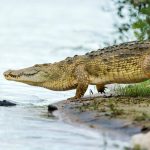
- Wildlife Safety: Always follow your guide’s instructions on safari. Avoid opening windows, leaving vehicles, or approaching animals on foot without guidance.
- Natural Events: Although rare, natural events like floods or earthquakes can occur.
- Transport Conditions: Road surfaces in and around national parks can be rough, sometimes leading to delays or minor vehicle issues.
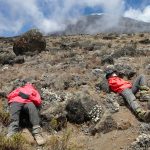
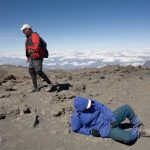
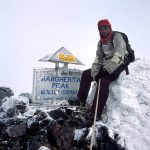
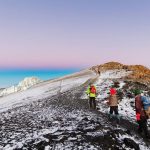
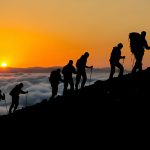
- Outdoor Activities: Hiking, climbing, and diving all come with physical risks. Professional guides and proper gear minimize them.
Cultural Richness and Respect.
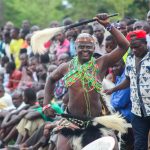
Tanzania is home to over 120 ethnic groups, offering a warm and diverse cultural experience. Visitors are generally welcomed with kindness and hospitality. To show respect and maintain travel safety in Tanzania:
- Dress modestly, particularly in rural areas and on Zanzibar’s islands.
- Ask permission before photographing people.
- Learn a few Swahili phrases—locals appreciate the effort.
Conclusion.
While all travel carries inherent risks, Tanzania stands out as a safe and welcoming destination for visitors worldwide. By observing simple precautions, respecting local customs, and traveling with a reliable operator, guests can enjoy Tanzania’s iconic wildlife, stunning landscapes, and rich cultural heritage with confidence in travel safety in Tanzania.
At Mateys Wild Tours, your safety is our highest priority. From experienced guides and well-maintained vehicles to medical kits, travel briefings, and partnerships with Kilimanjaro Search and Rescue, we ensure that your African adventure is not only unforgettable but also secure.
Travel smart, stay safe, and experience the wonder of Tanzania with peace of mind and travel safety in Tanzania guaranteed.











![How Did Mount Kilimanjaro Get Its Name? The Fascinating Meaning & History Explained [Expert Guide]](https://www.mateyswildtours.com/wp-content/uploads/2025/06/How-Did-Mount-Kilimanjaro-Get-Its-Name-Meaning-History-Explained-2025-Guide-150x150.jpeg)