
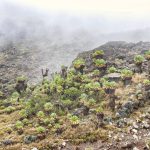
Malaria Prevention is essential for anyone traveling in Tanzania, even if you’re climbing Kilimanjaro. The good news: you don’t need malaria tablets for the mountain itself. Why? The high altitude and cold temperatures make it inhospitable for malaria-carrying mosquitoes, like the notorious Anopheles species. While you focus on conquering the summit and enjoying breathtaking views, malaria is not a threat at that altitude.
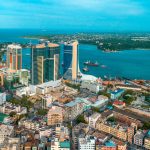
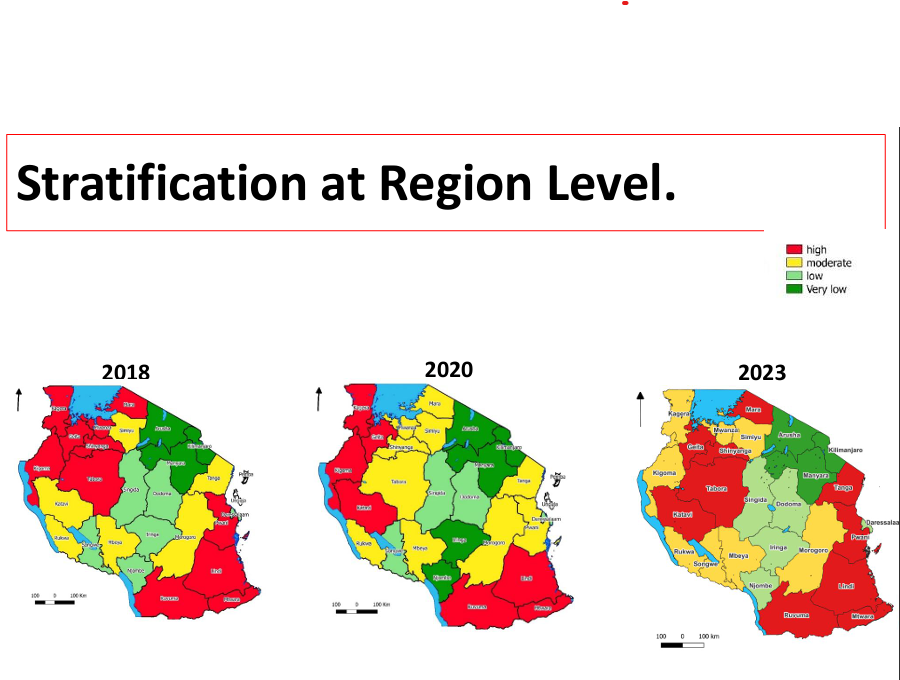
However, don’t put away your mosquito repellent just yet. Tanzania as a whole remains a high-risk malaria country, especially along the coast, including Zanzibar, and south of Moshi. If your adventure takes you beyond Kilimanjaro – on safaris, beach trips, or village visits – protecting yourself becomes essential.
Starting Malaria Tablets: Timing Is Everything.
If you’re prescribed anti-malarials, start them before you leave home. This does two things: it gives the drug time to build up in your system, and it lets you see if your body reacts to it. Once you start, complete the full course – often a few weeks after you return – to ensure you’re fully protected.
Which Malaria Tablets Are Recommended?
Here’s the lowdown: your doctor will tailor advice based on where in Tanzania you’re going and your health history, but generally there are three options:
- Lariam (mefloquine): There have been stories floating around travelers’ circles for years about Lariam causing hallucinations, nightmares, and other severe reactions. While these cases are extremely rare, it’s worth paying attention to how your body responds. If you take it and feel fine – as millions of travelers do – there’s no need to worry, and you can continue your course as prescribed.
- Doxycycline: Taken daily, usually continued for a few weeks after travel. Reliable and widely used.
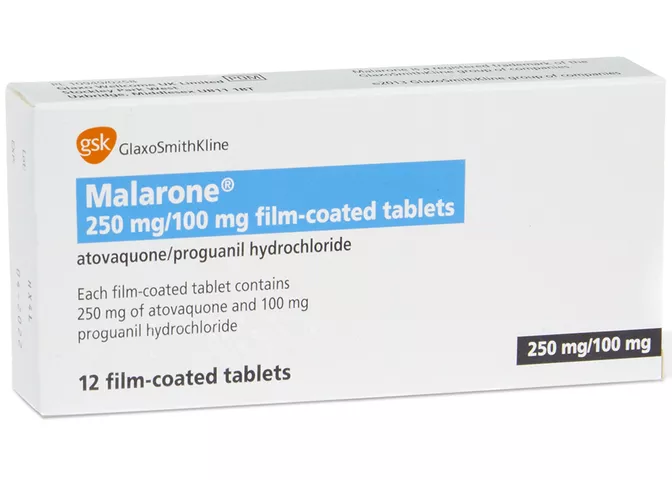
- Malarone: Extremely well-tolerated, though pricey. Some anecdotal reports suggest it might interact with Diamox (used for altitude sickness), so double-check with your doctor.
Avoiding Malaria Without Pills.
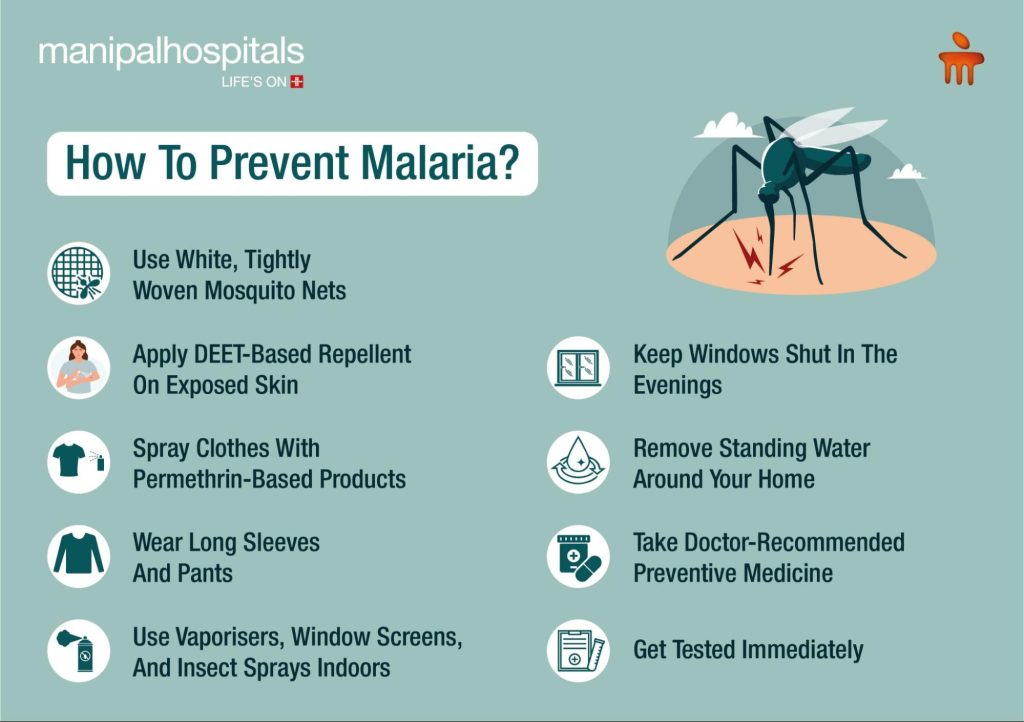
Medication is one line of defense – preventing mosquito bites is just as important:
- DEET repellent (30%) is your best friend, especially in the evening when malaria mosquitoes are active.
- Cover up with long sleeves and trousers.
- Sleep under a mosquito net whenever possible.
- Burn mosquito coils in your lodge or room.
Even small precautions make a huge difference. Think of it as an invisible shield that lets you enjoy Tanzania’s wildlife and beaches worry-free.
Pro Tips.
- Choose lodges with screens or air conditioning.
- Ask your doctor about travel to multiple regions – sometimes a combination of protection strategies works best.
- Stay hydrated and rested. A healthy body handles mosquito bites much better.
Bottom line: Malaria isn’t a concern on Kilimanjaro itself, but Tanzania is full of incredible experiences outside the mountain – and a little preparation goes a long way. Take your meds if needed, suit up against mosquitoes, and get ready for an adventure you’ll never forget.






![How Did Mount Kilimanjaro Get Its Name? The Fascinating Meaning & History Explained [Expert Guide]](https://www.mateyswildtours.com/wp-content/uploads/2025/06/How-Did-Mount-Kilimanjaro-Get-Its-Name-Meaning-History-Explained-2025-Guide-150x150.jpeg)