

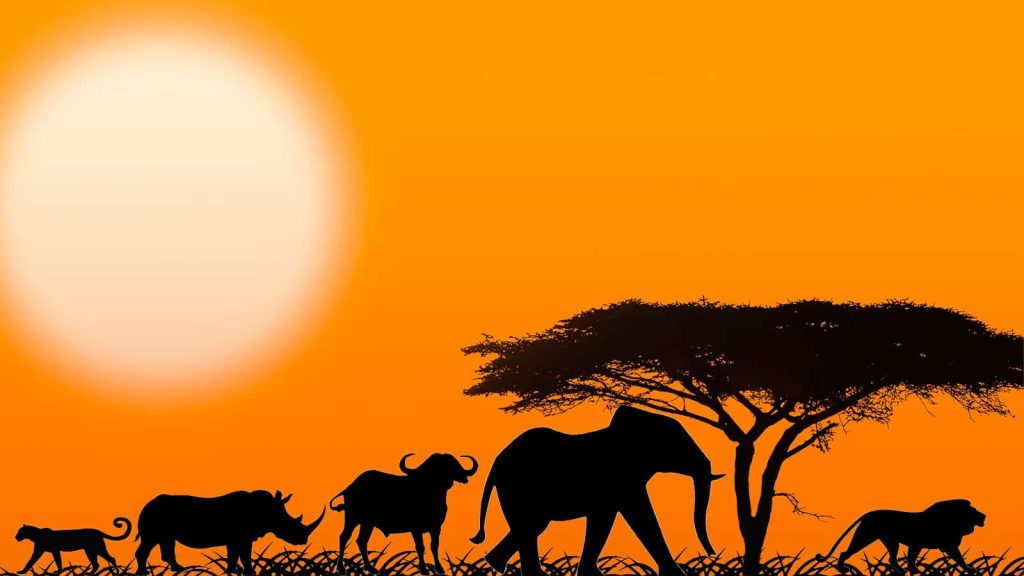
Big Five of Africa — the name carries the weight of history, adventure, and the raw spirit of the African wilderness. The term dates back to the 19th and early 20th centuries, during the era of big game hunting, when these five animals were considered the most dangerous and challenging to hunt on foot. Their size, strength, sharp instincts, and unpredictable nature made them legendary among hunters. Today, however, the meaning has transformed. What was once a hunter’s trophy list is now a conservation symbol — representing Africa’s most iconic and protected wildlife species.
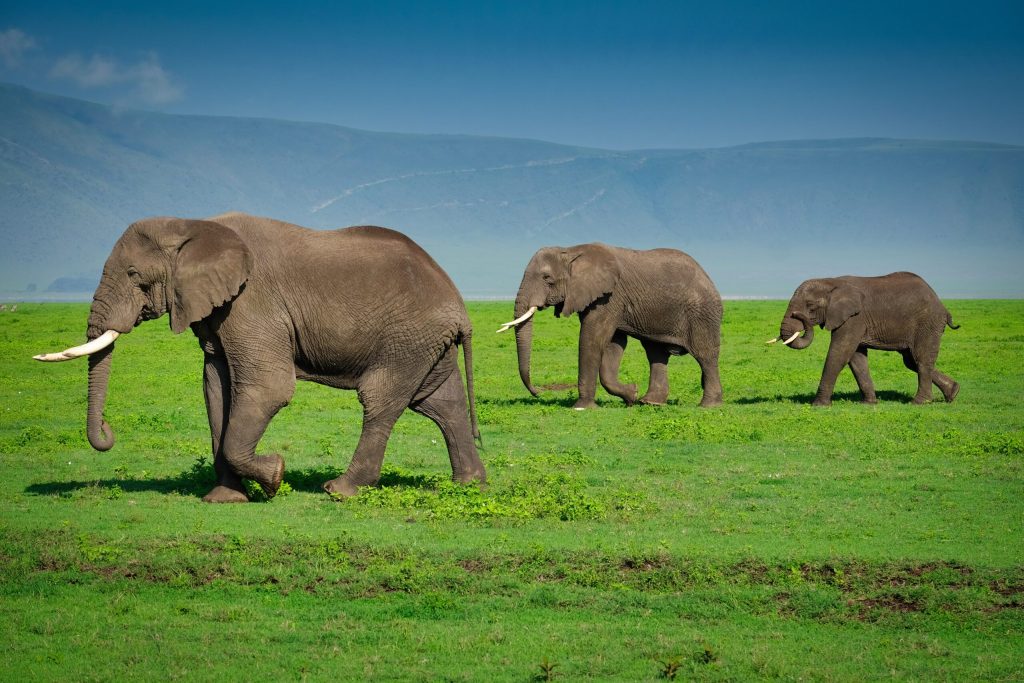
1: The African Elephant.
The first of the Big Five is the African Elephant, a true giant of the land. With ears shaped like the African continent and a memory said to span generations, elephants are both powerful and deeply emotional beings.
They are the largest land animals on Earth, yet their strength is balanced by remarkable intelligence and strong family bonds. Living in close-knit herds led by the oldest and wisest female — the matriarch — elephants demonstrate leadership rooted in experience and memory. They communicate through low-frequency rumbles that travel across the plains, sense distant thunderstorms through ground vibrations, and navigate ancient migratory routes known only to them. Full episode.
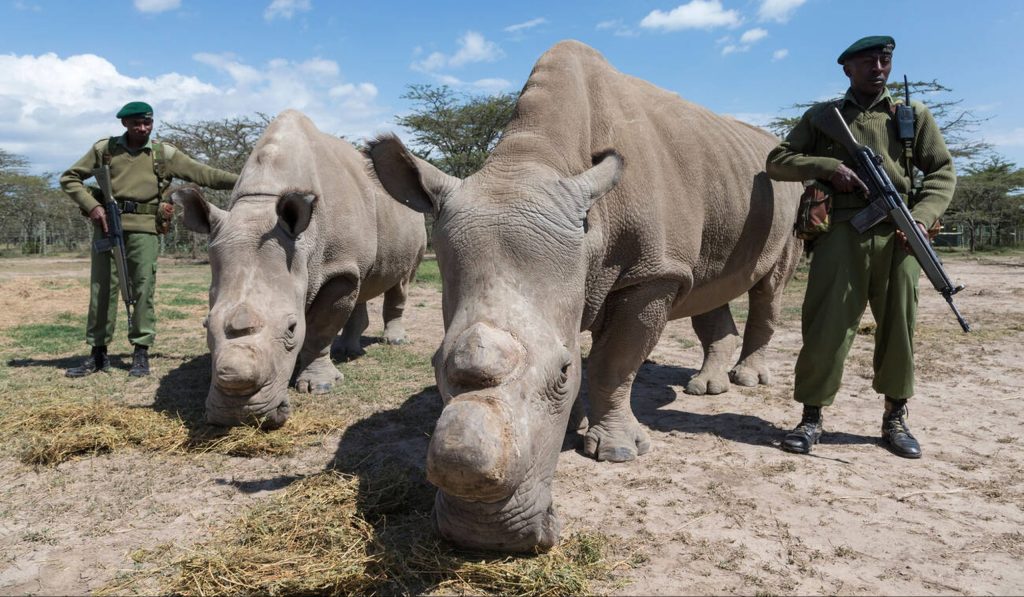
2: The Rhino.
Big Five of Africa include the mighty rhino, one of the most unique and endangered members of this legendary group. Africa is home to two surviving species: the White Rhinoceros and the Black Rhinoceros. The white rhino, larger and more social, is often seen grazing peacefully in open grasslands, using its wide, square-shaped mouth to feed. In contrast, the black rhino is smaller, more solitary, and prefers browsing on shrubs. Known for its sharper temperament and elusive behavior, it remains one of the most thrilling sightings during a Big Five of Africa safari.
Beyond Africa, Asia holds three additional rhino species: the Indian Rhinoceros, the Javan Rhinoceros, and the Sumatran Rhinoceros — all critically endangered and rarely seen in the wild.
Tragically, some rhino subspecies have already been lost. The western black rhinoceros was declared extinct in 2011, and the northern white rhinoceros is now functionally extinct, with only two females remaining under constant protection. These heartbreaking losses remind us that protecting the Big Five of Africa is not just about tourism or adventure — it is about conservation, responsibility, and ensuring that future generations can still witness these ancient giants walking the wild landscapes of our planet. Full episode.
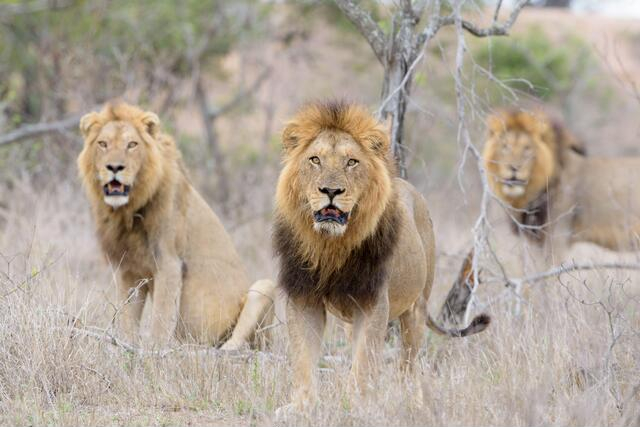
3: The African Lion.
No story of the Big Five of Africa is complete without the commanding presence of the African Lion. Often called the “King of the Savanna,” the lion embodies strength, courage, and authority. Unlike most big cats, lions are highly social animals, living in structured prides made up of related females, their cubs, and a coalition of dominant males.
At dawn and dusk, when the African plains glow in golden light, the deep roar of a lion can travel up to eight kilometers — a powerful declaration that this territory is claimed. Lionesses, the skilled hunters of the pride, work together with strategy and precision, while the males defend their domain with unmatched boldness. To encounter a lion resting beneath an acacia tree or surveying the horizon from a kopje is to feel the true pulse of the African wilderness — raw, regal, and unforgettable. Full episode.
4: The African Leopard.
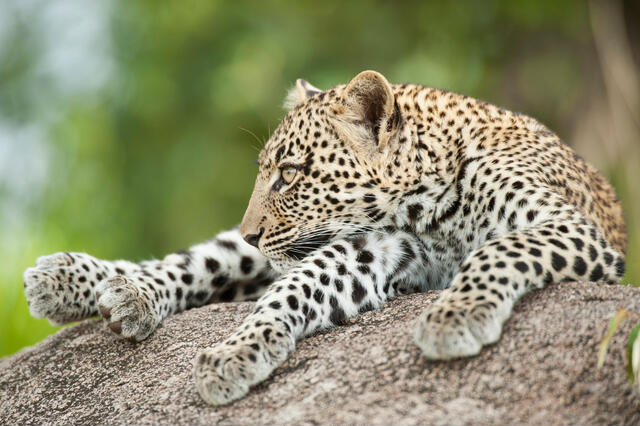
Elusive, graceful, and fiercely independent, the African Leopard is perhaps the most mysterious member of the Big Five of Africa. Unlike the lion, the leopard walks alone — a master of stealth that moves through the savanna like a whisper in the grass. Its golden coat, patterned with dark rosettes, melts perfectly into the dappled light of woodlands and riverine forests, making it incredibly difficult to spot.
Leopards are powerful climbers, often seen draping their prey over tree branches to keep it safe from scavengers. Patient and calculating, they rely on silence and surprise rather than strength in numbers. To see a leopard resting on a tree limb at sunset is a rare privilege — a quiet reminder that in the African wilderness, true power does not always announce itself loudly. Full episode.
5: The African Buffalo.
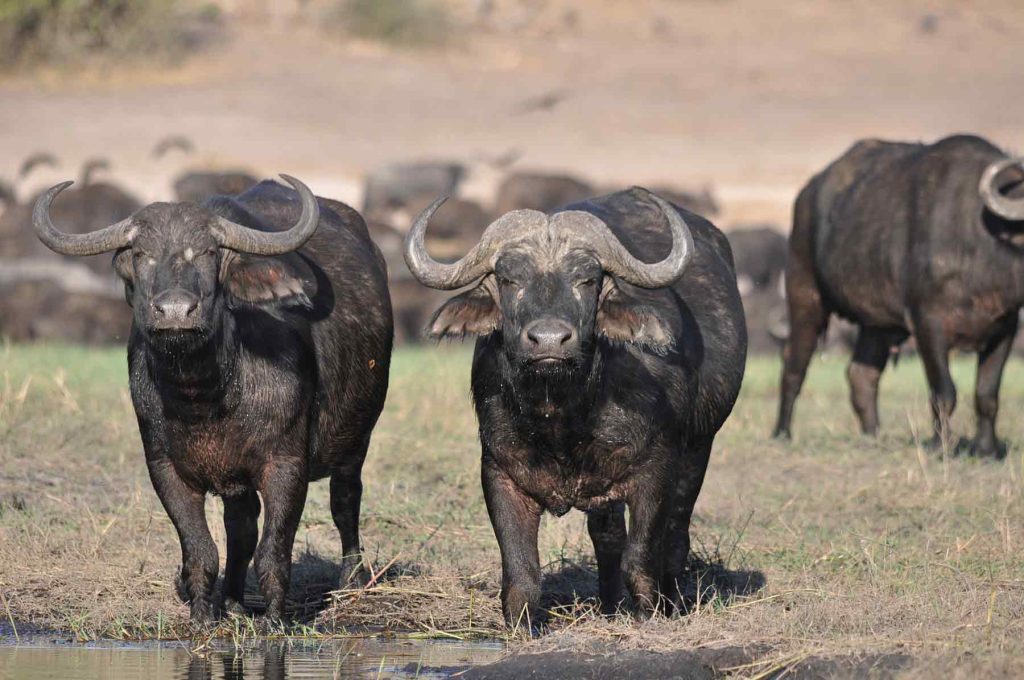
Strong, resilient, and fiercely protective, the African Buffalo is often considered the most underestimated member of the Big Five of Africa. At first glance, it may appear calm while grazing across the plains, but beneath that steady presence lies one of the most formidable animals in the African wilderness. Known for its powerful build and distinctive curved horns that form a solid “boss” across the forehead, the buffalo commands respect from predators — even lions approach with caution.
African buffalo move in large herds that can number in the hundreds, demonstrating remarkable unity and cooperation. When threatened, they do not flee easily; instead, they stand their ground, often circling the young and vulnerable at the center. Their loyalty to the herd and unpredictable nature have earned them a reputation as one of the most dangerous animals in Africa. To witness a massive herd moving like a dark wave across the savanna is to understand why the Big Five of Africa represent not just beauty, but raw, untamed power. Full episode.
While the Big Five of Africa are the most celebrated, the continent is full of other fascinating wildlife groups that every safari enthusiast should know. From the elusive Shy Five and the charming Little Five, to the surprisingly quirky Ugly Five and the mighty African Fattest Land Animals, each group tells its own story about Africa’s rich biodiversity. For those interested in safety and thrill, the Dangerous Five reveal animals to respect in the wild, while the Conservation Five highlight species whose survival depends on our protection.
Explore these guides to deepen your understanding of Africa’s incredible wildlife and make your safari experience even more unforgettable.
























![How Did Mount Kilimanjaro Get Its Name? The Fascinating Meaning & History Explained [Expert Guide]](https://www.mateyswildtours.com/wp-content/uploads/2025/06/How-Did-Mount-Kilimanjaro-Get-Its-Name-Meaning-History-Explained-2025-Guide-150x150.jpeg)