

Is Uganda safe to visit? If you’re planning a trekking adventure in Uganda or considering booking one, you’re in for an unforgettable experience. Known as the Pearl of Africa, Uganda is blessed with breathtaking landscapes and extraordinary wildlife, including the rare opportunity to see mountain gorillas in their natural habitat.
Like with any exotic destination, many travelers ask, “Is Uganda safe to visit?” This is a fair and important question. Researching travel advice before your trip is a wise decision, and this guide is designed to help you clearly understand whether Uganda is safe to visit and how to make your journey smooth, safe, and enjoyable.
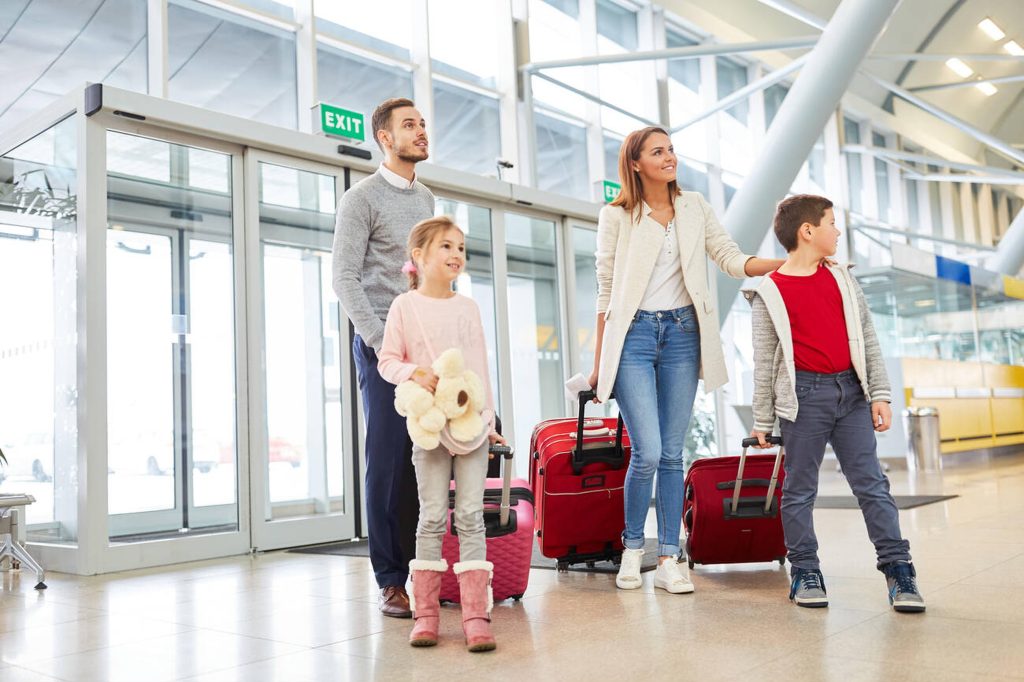
Safety in Uganda: The Big Picture.
So, is Uganda safe to visit for tourists? The short answer is yes. Uganda is generally safe and welcoming for visitors, attracting thousands of travelers every year for gorilla trekking, wildlife safaris, and cultural experiences. Tourism is a key part of the economy, and as a result, the government places strong emphasis on visitor safety, especially in major tourist areas like Bwindi Impenetrable National Park and Mgahinga Gorilla National Park.
Like any travel destination, Uganda has risks, but these are manageable with proper planning, local knowledge, and responsible travel behavior.
Political Stability.
One of the most common concerns behind the question “Is Uganda safe to visit?” relates to political stability. Uganda has experienced relative stability since 1986, and the risk of terrorism is considered low. Tourist regions and trekking zones are well-policed and prioritized due to their importance to the travel industry.
Areas that were once considered unstable, such as Karamoja, are now largely peaceful and open to visitors.
Our advice: stay informed about current events and avoid political demonstrations or large public gatherings, which can be unpredictable in any country.
Wildlife Safety.
Uganda’s wildlife is one of its biggest attractions—and also a reason travelers ask, “Is Uganda safe to visit for trekking?” Gorilla trekking and chimpanzee tracking are well-regulated activities with strict safety rules in place:
- Follow guides’ instructions – trained rangers understand animal behavior.
- Maintain distance – at least 7 meters from gorillas.
- Respect wildlife – never feed or touch animals.
- Protect nature – avoid littering and follow conservation rules.
By respecting these guidelines, Uganda remains safe to visit for wildlife lovers while also protecting its fragile ecosystems.
Health and Hygiene.
Health preparation is essential when deciding if Uganda is safe to visit:
- Uganda is malaria-prone; take antimalarial medication and use insect repellent.
- Drink bottled or boiled water only.
- Ensure vaccinations are up to date.
- Wash hands regularly and carry sanitizer.
- Eat well-cooked food from reputable establishments.
- Use sunscreen and wear sun protection.
- Pregnant travelers should research Zika virus precautions.
If you feel unwell after returning home, consult a medical professional promptly.
Trekking and Road Travel.
Uganda is safe to visit for trekking, but conditions can vary. While cities are well-connected, rural roads may be rough, especially during rainy seasons (March–May and September–November).
- Travel during drier months when possible.
- Use licensed operators and experienced guides.
- Prepare physically with proper footwear, hydration, and fitness.
Bwindi and Mgahinga Gorilla National Parks are closely monitored, making incidents extremely rare—especially when booking with trusted operators like Mateys Wild Tours.
Personal Safety
Petty crime exists, as it does worldwide, but Uganda is safe to visit when basic precautions are taken:
- Use money belts or lockable backpacks.
- Avoid displaying valuables in public.
- Withdraw cash discreetly from ATMs inside banks.
Respect local customs and laws. Modest dress is appreciated, public displays of affection are uncommon, and same-sex couples should exercise caution due to legal restrictions.
Extra Safety Tips.
Uganda’s greatest strength is its people—warm, friendly, and welcoming. Simple gestures go a long way:
“Hello” – Kale | “Thank you” – Webale
- Choose travel insurance covering trekking and medical evacuation.
- Stay aware of your surroundings.
- Check official government travel advisories before and during your trip.
- Read Frequently Asked Questions About Uganda (FAQ Uganda).
Mateys Wild Tours
So, is Uganda safe to visit? Yes—especially when you travel prepared, informed, and with reputable local experts. Uganda offers world-class trekking, unforgettable wildlife encounters, and deep cultural connections. With common sense and good planning, the rewards far outweigh the risks.
If you have questions about trekking in Uganda or want expert guidance, the team at Mateys Wild Tours is always ready to help you plan a safe and memorable adventure.














![How Did Mount Kilimanjaro Get Its Name? The Fascinating Meaning & History Explained [Expert Guide]](https://www.mateyswildtours.com/wp-content/uploads/2025/06/How-Did-Mount-Kilimanjaro-Get-Its-Name-Meaning-History-Explained-2025-Guide-150x150.jpeg)