
The Kazinga Channel, Boat Cruise in Uganda.
At the very heart of Queen Elizabeth National Park, you’ll find one of Uganda’s most remarkable natural wonders—the Kazinga Channel. Stretching for 32 kilometers (20 miles), this wide, tranquil waterway links Lake George in the east to Lake Edward in the west, creating a lifeline for wildlife and a paradise for nature lovers.
What makes the Kazinga Channel extraordinary is not just its size, but the abundance of life that gathers along its shores. Whether you’re watching elephants bathe at sunset, hippos jostle in the shallows, or crocodiles bask on the muddy banks, every moment on the channel feels like a front-row seat to the wild.
Where the Waters Meet the Wild.
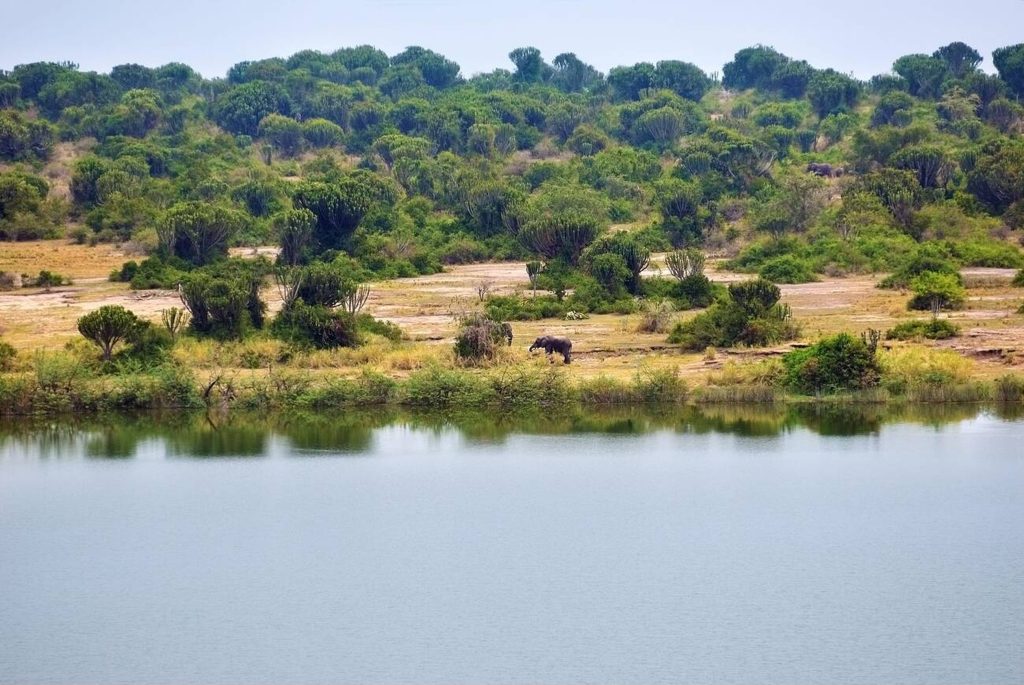
On the eastern side lies Lake George, a small but beautiful lake fed by streams flowing directly from the snow-capped Rwenzori Mountains. At just 2.4 meters deep and covering 250 square kilometers, its waters feed into the Kazinga Channel before spilling into Lake Edward—a massive freshwater lake spanning 2,000 square kilometers. This continuous flow nourishes the channel, turning it into one of the richest ecosystems in Uganda.
A Haven for Hippos and Crocodiles.
Few places in Africa can rival the Kazinga Channel’s sheer density of wildlife. It boasts one of the largest populations of hippos in the world, and Nile crocodiles lurk in great numbers along its shores. The scene is complemented by elephants, buffaloes, and a dazzling variety of birdlife—from kingfishers and fish eagles to rare migratory species.
The shores are never still. Herds of antelope gather at the water’s edge, while flocks of pelicans sweep across the channel in synchronized flight. For photographers, birders, and safari-goers, it’s an endless spectacle.
The Famous Kazinga Boat Cruise.
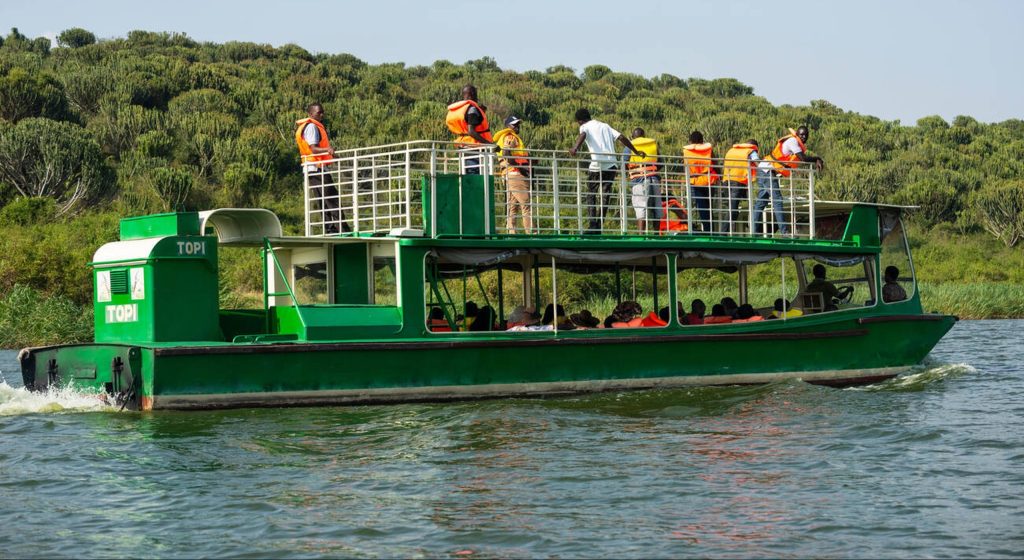
The best way to experience this natural wonder is on the Kazinga Channel boat cruise, often described as one of the most rewarding wildlife encounters in East Africa.
Cruises operate daily, typically at 11:00 am, 1:00 pm, 3:00 pm, and 5:00 pm, departing from the Mweya Peninsula. As the boat glides down the channel, professional guides onboard enrich the journey with stories, insights, and keen eyes trained to spot wildlife you might otherwise miss.
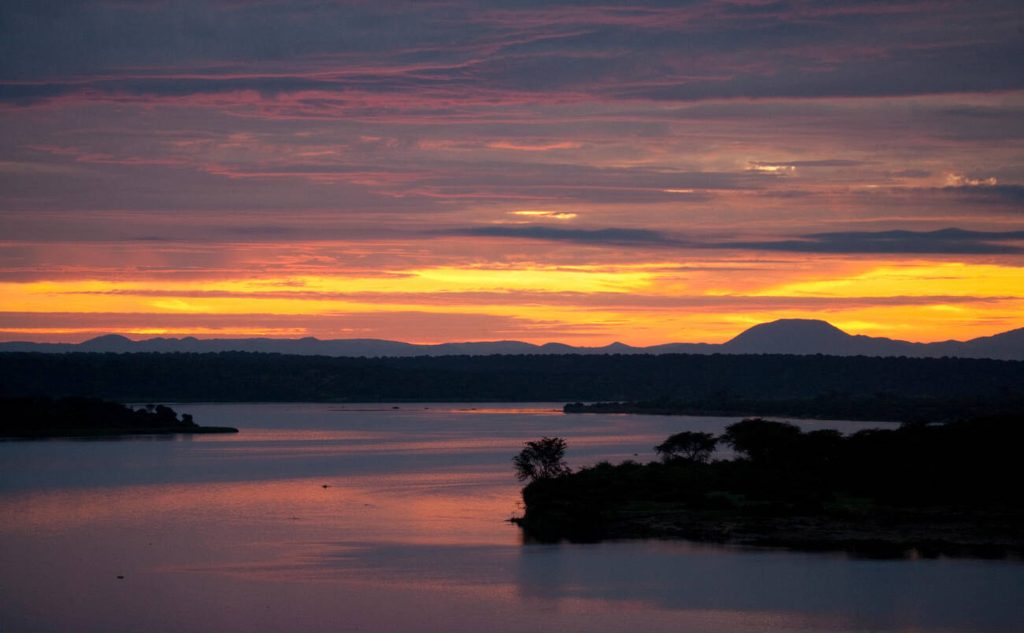
Each trip lasts between 2–5 hours, depending on the route, and offers uninterrupted views of elephants, hippos, crocodiles, and countless birds. Watching the sun dip over Lake Edward as the water glitters gold is a memory that stays with you forever.
Game Drives Along the Channel.
The Kazinga Channel isn’t only about water safaris—it’s also flanked by some of the park’s most exciting landscapes.
- North Kazinga & Kasenyi Plains: Here, herds of buffalo and elephants roam freely, while predators like lions are often spotted stalking Uganda kobs.
- Kasenyi Sector: This eastern side is especially famous for lion sightings, as they thrive on the abundance of prey in the area.
For the best experiences, game drives are recommended in the early mornings or late afternoons, when wildlife is most active. Guided by skilled rangers, visitors not only enjoy incredible sightings but also gain fascinating insights into the behaviors and stories of the animals that call this region home.
Getting There.
The starting point for the boat cruise is the Mweya Peninsula, about 20 km west of the Kasese–Mbarara main road. All vehicles traveling between Mbarara and Kasese pass through Katunguru, making access convenient. From Katunguru Trading Centre, special hire taxis can take you directly to Mweya Safari Lodge for around USh 30,000 one way.
Why Visit the Kazinga Channel?
The Kazinga Channel isn’t just a waterway—it’s the pulse of Queen Elizabeth National Park, drawing together animals, birds, and visitors from around the world. Whether you’re drifting quietly on a boat, capturing photographs of a hippo pod, or spotting lions in the Kasenyi plains, the channel delivers moments that define an African safari.
If you’re planning a trip to Uganda, a cruise on the Kazinga Channel is an absolute must-do experience. It’s not only a chance to see incredible wildlife, but also to connect with the raw beauty of nature in one of Africa’s most celebrated national parks.