Sheldrick Wildlife Trust Experience, Nairobi.
Nairobi is often called the only capital city in the world with a national park on its doorstep. But there’s another magical place, tucked just beyond the city’s busy roads, where the wild comes close in the most tender way: the Sheldrick Wildlife Trust (SWT).
This isn’t a typical safari. It’s not about roaring lions or dramatic hunts. Here, the stars of the show are baby elephants—gentle, playful, sometimes cheeky, and each with a story that tugs at your heart.
Where Second Chances Begin.
The Sheldrick Wildlife Trust is best known for its elephant orphanage, where calves rescued from the wild are raised, cared for, and eventually reintroduced into protected wilderness. Many of these little elephants were found abandoned—some due to drought, some orphaned by poaching, others separated from their herds.
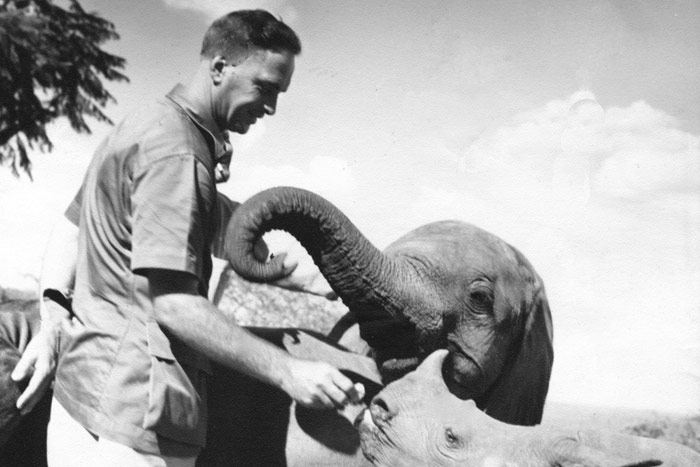
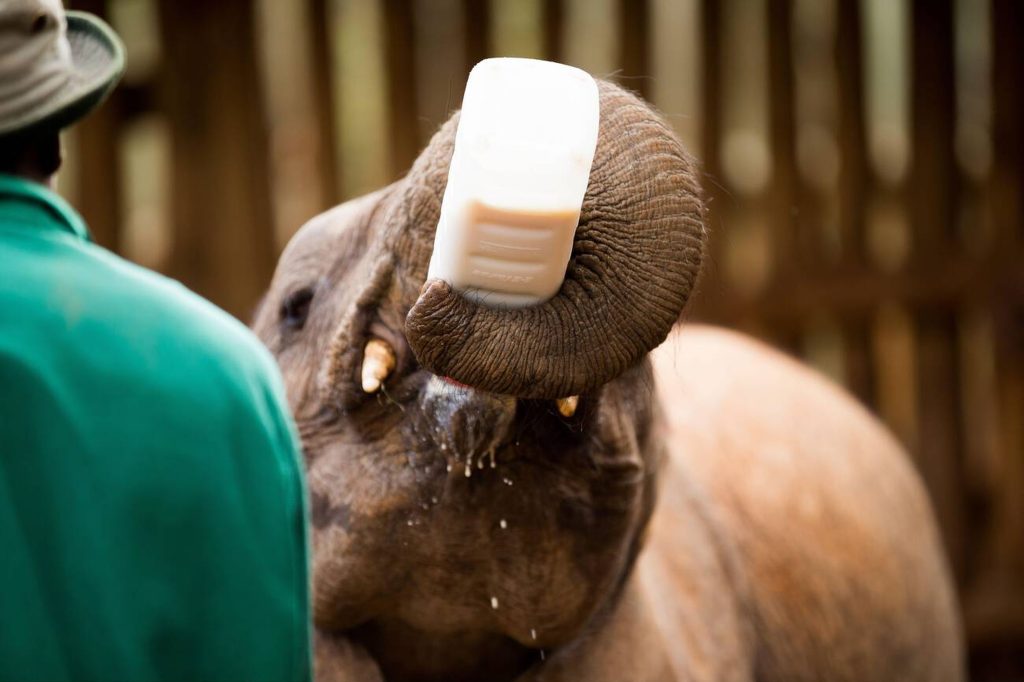
The beauty of SWT lies not just in saving these animals, but in giving them back their future. Watching the keepers feed the elephants with giant bottles of milk is more than adorable—it’s a reminder of the bond between humans and wildlife, and the lengths people will go to heal what was once broken.
The Daily Show (and It’s Adorable).
Every morning, from 11:00 AM to 12:00 noon, the orphaned elephants march into the open clearing. They know it’s feeding time, and they’re not shy about it. Some sprint, others stumble along, and a few will even grab the bottles out of their keepers’ hands with impressive determination.
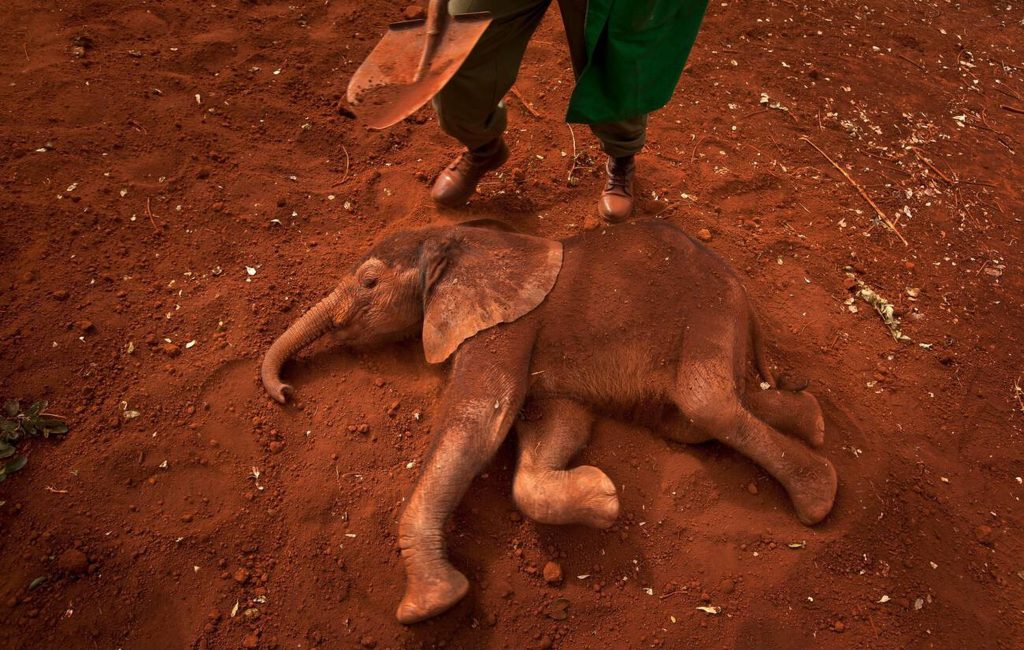
As visitors, you get to watch them drink, roll in the mud, splash each other, and tussle in playful mock battles. The sight of baby elephants lying on their backs, flapping their ears while wriggling in muddy puddles, is enough to melt even the toughest traveler’s heart.
More Than Just Elephants.
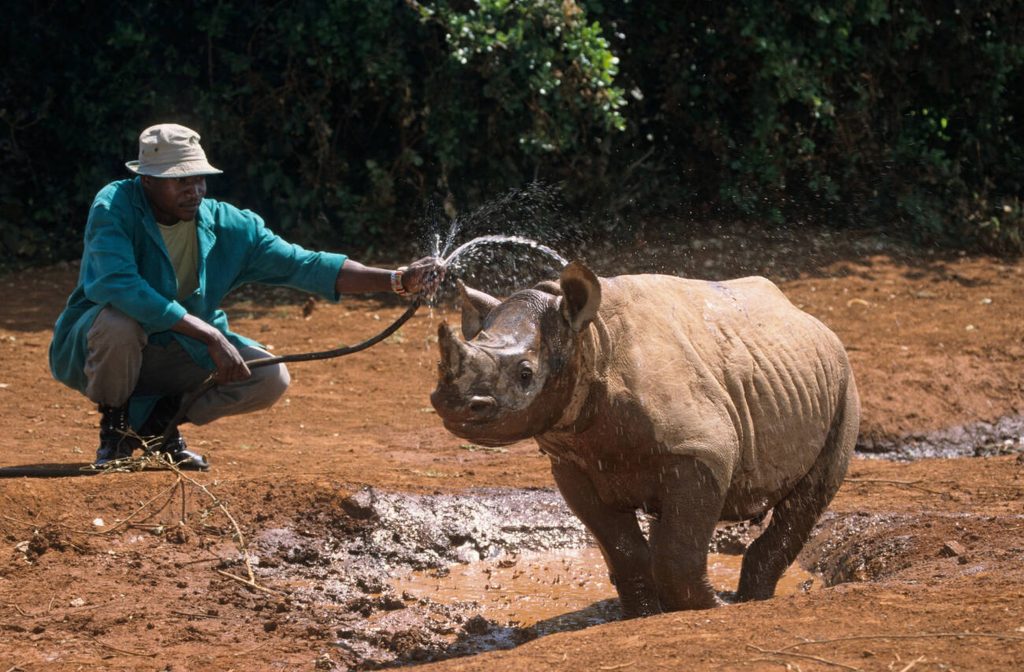
While elephants are the main attraction, the Trust also rescues rhinos and works across Kenya in anti-poaching patrols, veterinary units, and habitat preservation. It’s one of Africa’s most impactful conservation projects, and visiting the orphanage is your chance to see its work up close.
You’ll leave not just with photos, but with a deeper understanding of what wildlife conservation looks like on the ground.
Why It Feels So Special.
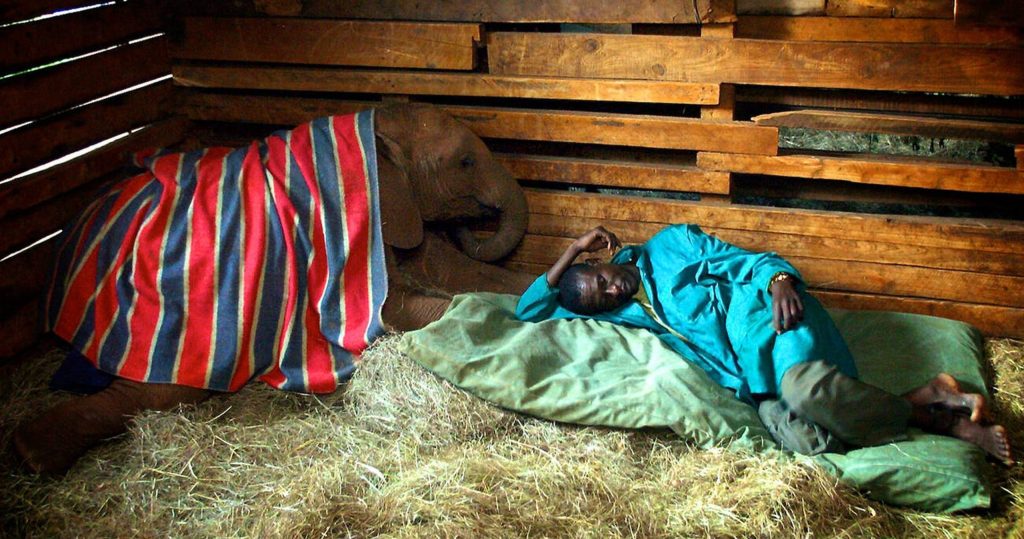
What makes the Sheldrick Wildlife Trust different from many other attractions is its intimacy. This isn’t a zoo or a performance—it’s a real sanctuary. The elephants are here because they need care, not because they’re on display. The keepers even sleep in the stables with the youngest orphans, bottle-feeding them through the night, just like you would a human baby.
And when the time comes, these elephants are carefully reintroduced into Tsavo National Park, where many eventually thrive in the wild again. Some even return years later with calves of their own—a full-circle success story.
Visiting the Trust.
- Location: Inside Nairobi National Park, about 30 minutes from the city center.
- Visiting Hours: The public feeding happens daily from 11:00 AM to 12:00 noon.
- Entrance Fee: Around $20 (with proceeds directly supporting conservation efforts).
A Moment That Stays with You.
The Sheldrick Wildlife Trust is one of those rare places where you don’t just see wildlife—you feel a connection. Watching a tiny elephant nudge its keeper, or hearing the story of how an orphan was rescued, you realize that conservation isn’t an abstract concept—it’s happening right here, one bottle, one muddy bath, and one baby elephant at a time.
If you’re in Nairobi, don’t miss this experience. Safaris will show you the wild, but Sheldrick will show you the heart of it.