

Mikumi National Park
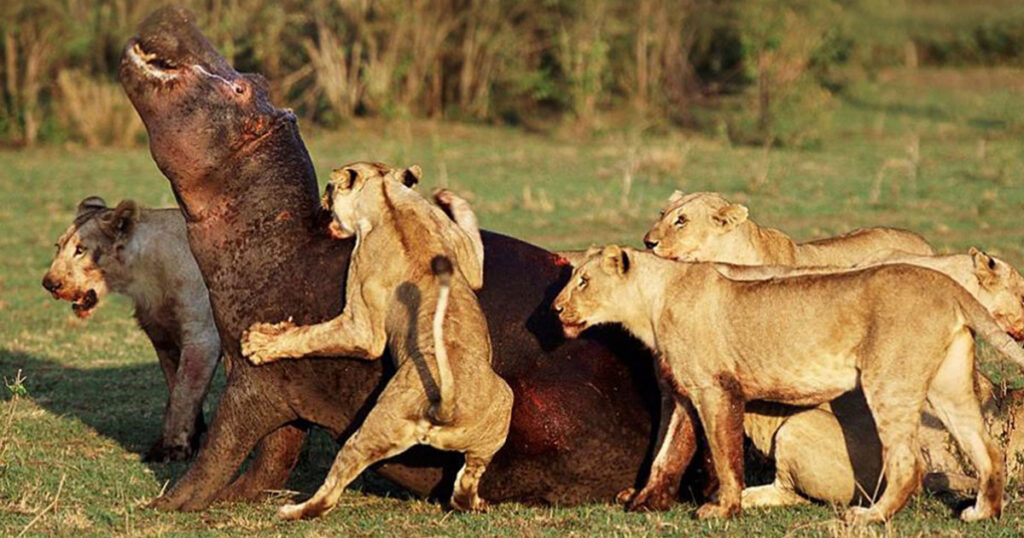
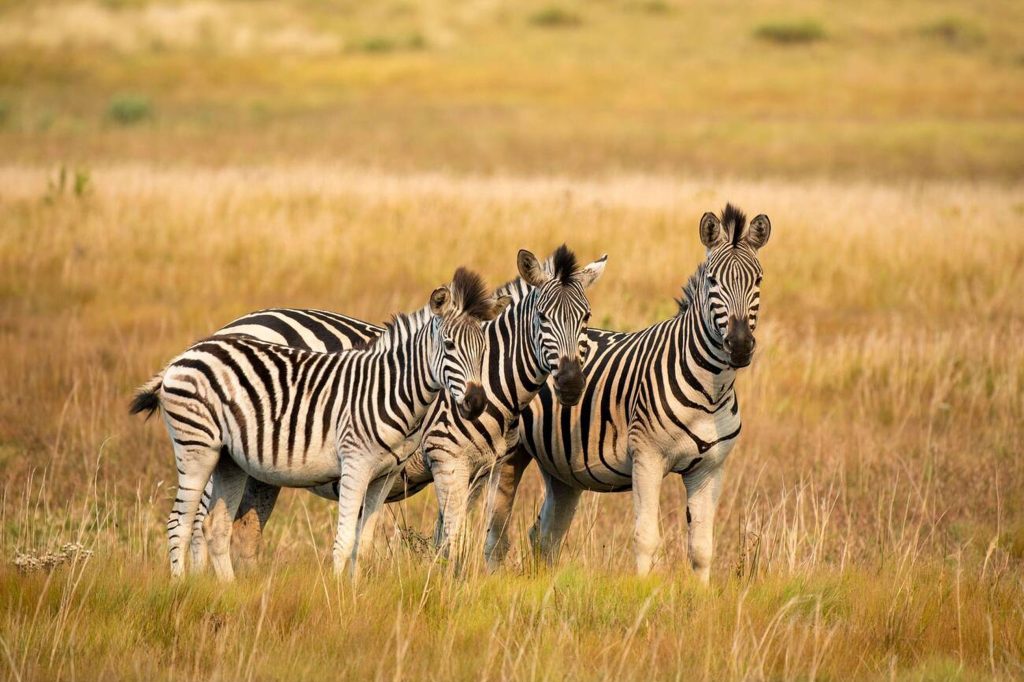
Mikumi National Park, located in southeastern Tanzania, offers a stunning blend of biodiversity and accessibility, serving as a gateway to the renowned Selous ecosystem. Its expansive savannas, reminiscent of the Serengeti, are home to a variety of wildlife, from majestic lions and elephants to large herds of buffalo and elusive leopards. The Mkata River, which flows through the park, nurtures diverse habitats that support over 400 bird species, making it a prime destination for birdwatchers.
With its open plains and dramatic landscapes, Mikumi provides some of the most rewarding game-viewing opportunities, where nature’s raw beauty is on full display. Geographically, it lies north of the Selous Game Reserve and south of Morogoro, nestled in the eastern part of the country, making it an easily accessible park from Dar es Salaam. Mikumi is an ideal choice for both seasoned safari-goers and first-time visitors seeking an authentic African wilderness experience.
Special Bird Species to see in Mikumi National Park.
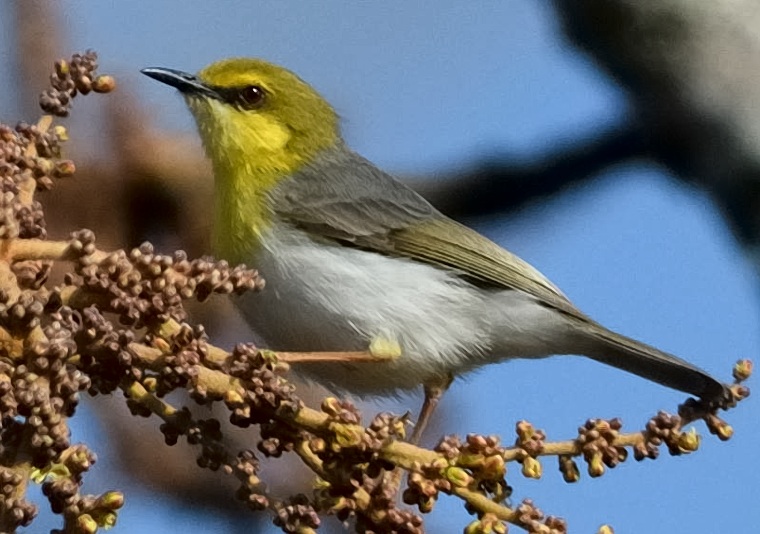
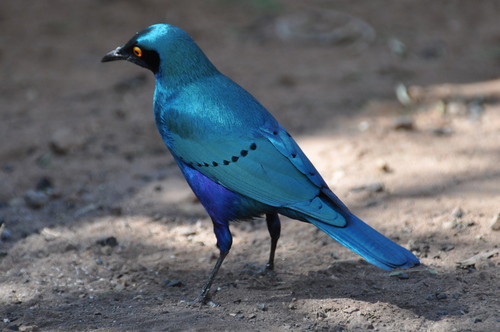
Mikumi National Park is a haven for rare and vibrant bird species, making it a dream destination for birdwatchers. The dazzling Shelley’s Sunbird flits among flowers, while the elusive African Spotted Creeper clings to tree bark with perfect camouflage. The melodious Stierling’s Wren-Warbler and the striking Purple-crested Turaco bring life to the miombo woodlands. Seed-eaters like Black-eared and Reichard’s Seedeater thrive in the grasslands, alongside the energetic Piping Cisticola and Red-winged Warbler. The Yellow-bellied and Southern Hyliota dance through the canopies, as the bold Arnott’s Chat and deep-voiced Pale-billed Hornbill add character to the landscape. The shimmering Miombo Blue-eared Starling and rhythmic Cabanis’s Bunting complete this avian paradise. Though not strictly confined to Mikumi, the park offers a spectacular chance to witness these rare beauties up close.
Climate.
Mikumi National Park experiences a tropical savanna climate, characterized by distinct wet and dry seasons. The park’s climate is influenced by its location in the eastern part of Tanzania, where temperatures remain warm throughout the year.
- Dry Season (June – October): This is the best time for wildlife viewing, as animals gather around water sources. Days are sunny and warm (25-30°C / 77-86°F), while nights and early mornings can be cooler (15-20°C / 59-68°F).
- Wet Season (November – May): The Park receives moderate to heavy rainfall, with peak rains from March to May. During this time, the landscape becomes lush and green, but some areas may be muddy and difficult to access. Temperatures range from 20-32°C (68-90°F), with higher humidity.
Despite the seasonal changes, Mikumi is a year-round safari destination, with the dry season offering the best game viewing and the wet season providing stunning scenery, migratory birds, and fewer crowds.
Best Time to Visit Mikumi National Park.
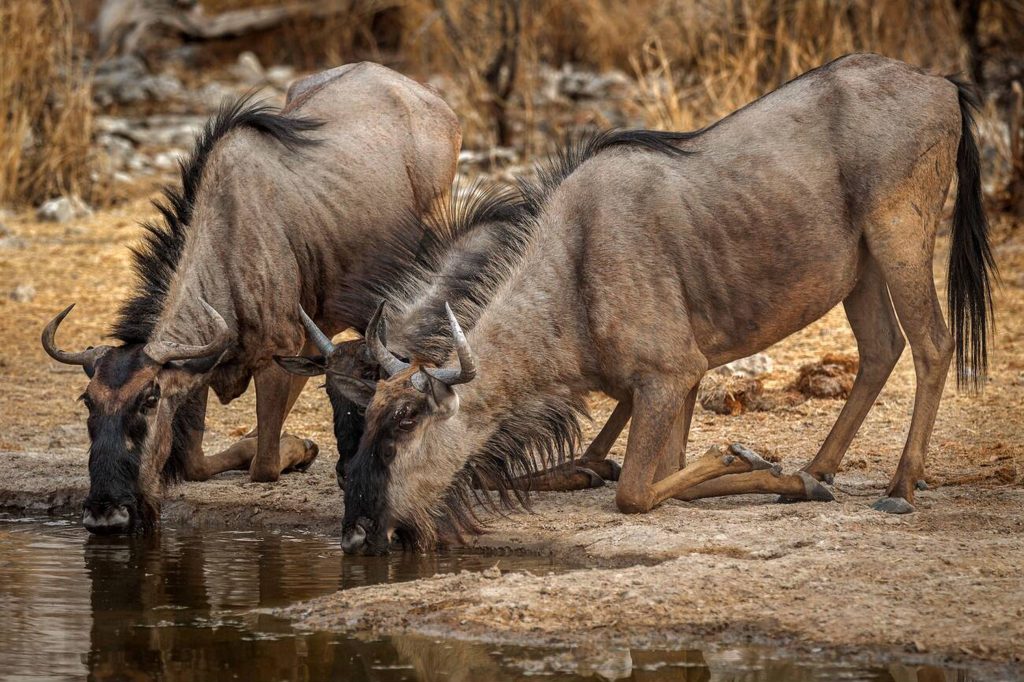
- For Wildlife Viewing: The dry season (June – October) is the best time for game drives, as animals gather around water sources, making them easier to spot. The sparse vegetation also improves visibility, and roads are in better condition for safari vehicles.
- For Birdwatchers: The wet season (November–May) is the best time to visit, especially from December to April, when migratory birds arrive. The Park becomes lush and vibrant, providing excellent opportunities to see a variety of resident and migratory bird species in their full breeding plumage.
How to Get to Mikumi National Park.
- By Air: The nearest international airports are Julius Nyerere International Airport (DAR) in Dar es Salaam and Abeid Amani Karume International Airport (ZNZ) in Zanzibar. From there, you can take a domestic flight to Mikumi Airstrip, which provides quick access to the park.
- By Road:
- From Dar es Salaam: The Park is approximately 183 km (114 miles) away, requiring a 3–4-hour drive along the well-paved A7 highway.
- From Morogoro: A shorter journey of 34 km (21 miles) takes about 30-45 minutes by road.
- By Railway:
- SGR (Standard Gauge Railway): Travel from Dar es Salaam to Morogoro, then continue with a road transfer to Mikumi National Park (34 km).
- TAZARA Railway: This scenic train route from Dar es Salaam stops at Mikumi Station, located near the park entrance, making it a convenient option for rail travelers.
Facts About Mikumi National Park.
- Area Size: approximately 3,230 square kilometers (1,247 square miles).
- Officially established in 1964
- Great variety of wildlife
- Hippo pools
- Bird lovers’ heaven
Activities in Mikumi and Around.
- Wildlife Viewing
- Birdwatching
- Guided nature walks
- Cultural visit
- Waterfalls & hiking
- Photography & filming
The Story of Poacher’s Hide.
In the shadowed depths of Mikumi National Park, the Poacher’s Hide Baobab stood as a silent sentinel to the dark world of poaching that once plagued the park. Its massive hollow trunk provided the perfect refuge for criminals, concealing both weapons and stolen goods while they waited for law enforcement to pass by unnoticed.
For years, this towering, ancient tree was simply part of the landscape, its sinister role hidden in plain sight. However, a breakthrough came one fateful night when park rangers, on a routine patrol, discovered fresh tracks and signs of human activity—discarded food wrappers, footprints, and traces of movement near the baobab.
With the help of local informants, rangers set a trap and soon witnessed poachers emerging from the hollow trunk under the cover of darkness.
The criminals were swiftly apprehended, marking a turning point in Mikumi’s fight against poaching. The Poacher’s Hide Baobab, once a symbol of wildlife crime, transformed into a cornerstone of the park’s anti-poaching efforts, embodying the power of collaboration and vigilance.
Today, the baobab stands not only as a reminder of the park’s past struggles but also as a symbol of the collective effort to protect its wildlife for future generations.