

Amani Nature Reserve (Birding Area)
Nestled within the breathtaking Usambara Mountains, Amani Nature Reserve is a true hidden gem of Tanzania, where nature’s magic thrives in its purest form. This lush, mist-covered rainforest is not just a sanctuary for rare and endemic species but a living testament to the beauty and resilience of East Africa’s ecosystems. Home to the enchanting Amani Sunbird, the whispering ancient trees, and a symphony of “singing frogs”, Amani offers an immersive experience for nature lovers, researchers, and adventure seekers alike.

Beyond its rich biodiversity, the reserve holds deep cultural and historical significance, with stories of lost treasures, hidden German tunnels, and medicinal plants that have healed generations. Whether you’re drawn by the thrill of discovery, the serenity of untouched wilderness, or the chance to witness nature at its most extraordinary, Amani Nature Reserve promises an experience that is both awe-inspiring and unforgettable.
Activities to Do in Amani Nature Forest Reserve.
- Hiking and Nature Walks
- Butterfly Watching
- Canoeing on the Zigi River
- Exploring Medicinal Plants and Traditional Healing
- Visiting the Historic German Botanical Garden
- Camping and Eco-Lodging
- Cultural Tours and Community Visits
- Photography and Filmmaking

Special Bird Species to See in Amani Nature Reserve.
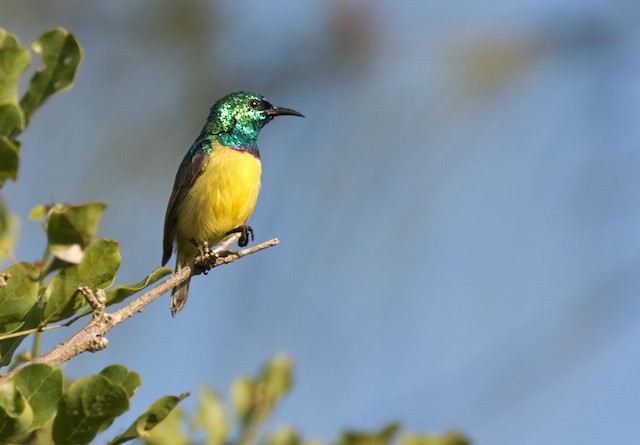
Amani Nature Reserve is a haven for birdwatchers, boasting a rich diversity of rare and endemic species. Among the highlights are the Illadopsis, a secretive forest bird, and the Amani Sunbird, known for its dazzling colors. The Uluguru Sunbird and Banded Green Sunbird add to the spectacle with their striking iridescent plumage. The elusive Sharpe’s Akalat and the Lowland Tiny Greenbul thrive in the dense undergrowth, while the Long-billed Forest Warbler is a true gem for keen birders. Additionally, the Usambara Hyliota and the Usambara Bluebill contribute to the exceptional avian diversity, making it a must-visit destination for bird enthusiasts seeking rare and remarkable species.
Climate.
The climate of Amani Nature Reserve is tropical and humid, typical of the coastal regions of East Africa. Situated in the Usambara Mountains, it experiences moderate temperatures throughout the year, with cooler conditions at higher altitudes. The reserve has two main seasons: the wet season (from March to May) with heavy rainfall and the dry season (from June to October), which is ideal for visiting, as it offers more stable weather for outdoor activities. Temperatures generally range between 15°C to 25°C (59°F to 77°F), making it a pleasant destination year-round, though it’s best to visit during the dry season for easier exploration.
Best Time to Visit Amani Nature Reserve.
The best time to visit Amani Nature Reserve is during the dry season from June to October. This period offers the most pleasant weather, with clear skies and mild temperatures, making it ideal for outdoor activities like hiking and birdwatching. The wet season (from March to May) brings more rainfall, which can make some trails slippery and harder to navigate. However, the dry season ensures a more comfortable experience, with vibrant green landscapes and a higher chance of spotting wildlife.

How to Get There.
To get to Amani Nature Reserve, you have two main options:
- By Air:
Fly into Julius Nyerere International Airport (DAR) in Dar es Salaam or Kilimanjaro International Airport (JRO) near Arusha. From there, you can take a domestic flight to Tanga Airport, which is the nearest airport to the reserve. Alternatively, you can opt for a road transfer from Tanga to the reserve is 56km, which takes approximately 1 hour.
- By Road:
From Arusha, it’s approximately 420 km and a 7–8-hour drive to Amani Nature Reserve. From Dar es Salaam, the distance is about 340 km, with a 6–7-hour drive. You can hire a taxi, book with a tour operator, or use public transport such as buses from Arusha to Tanga for more budget-friendly travel options.
Feel free to contact our experts to learn more about the Amani Nature Reserve adventure!
Facts About Amani Nature Reserve.
- Amani was once an important center for the cultivation and processing of tea during the colonial era.
- Amani was established as a nature reserve in 1997, although it has a longer history of forest protection.
- Covers an area of approximately 83,600 hectares (836 square kilometers).
- Region for endemism.
Story of the Lost Gold in Amani.
There is a local legend about hidden gold in the Amani Forest, dating back to the German colonial era. During World War I, when British forces advanced into Tanzania (then German East Africa), it is said that German officers buried a stash of gold and valuables deep in the forest before fleeing.
Over the years, treasure hunters have searched for the lost gold, but no one has ever found it. Some locals believe that the spirits of the forest protect the treasure, ensuring it remains hidden forever.